

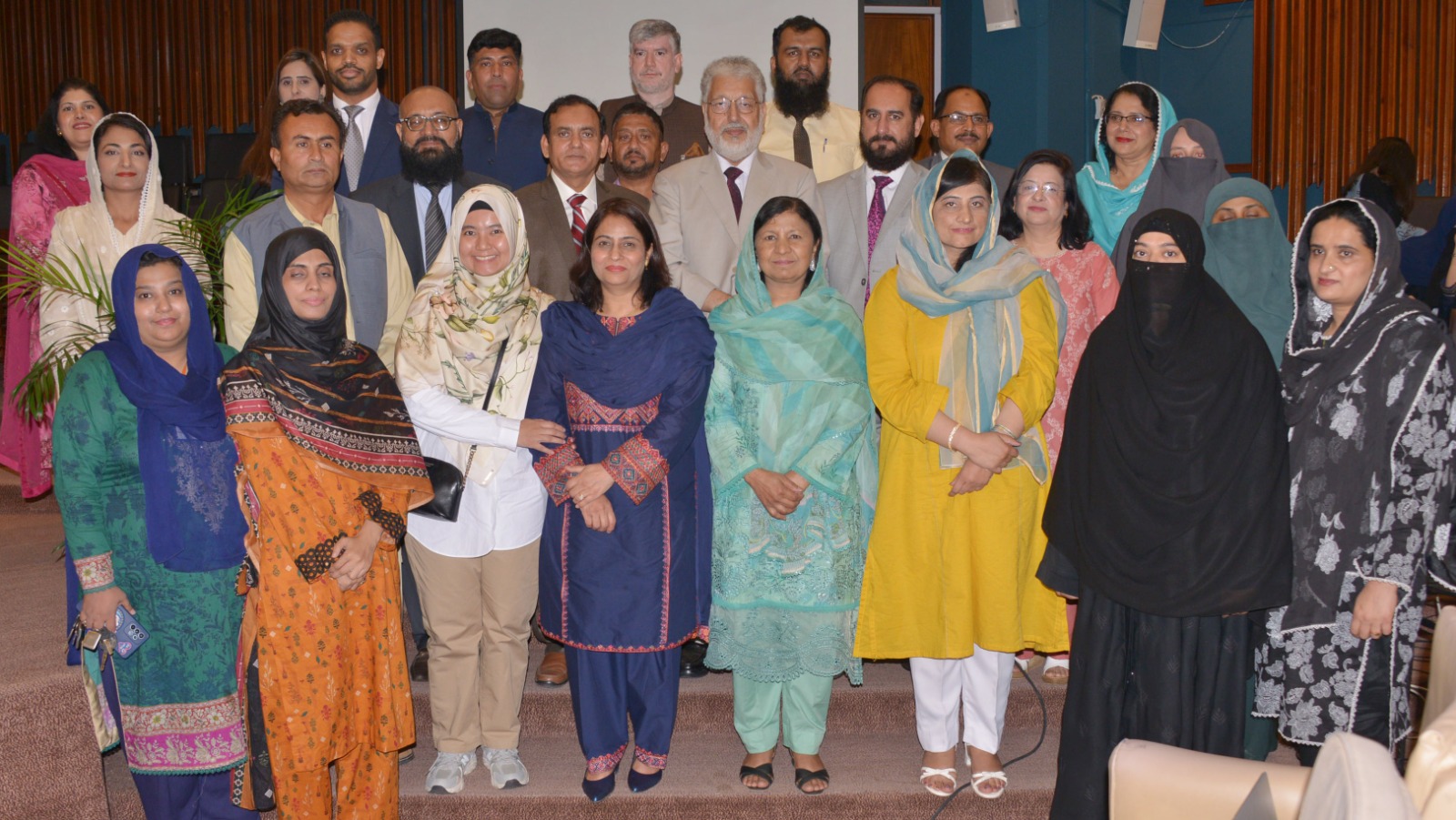
 The Department of Educational Leadership and Management at the Faculty of Education, International Islamic University Islamabad (IIUI), successfully organized the 1st International Conference on Innovative Pathways in Educational Leadership and Management (IPELM-25) on May 7–8, 2025. Held in collaboration with the Higher Education Commission (HEC) Pakistan, the conference brought together more than 300 participants, including academics, researchers, and education practitioners from across Pakistan and abroad.
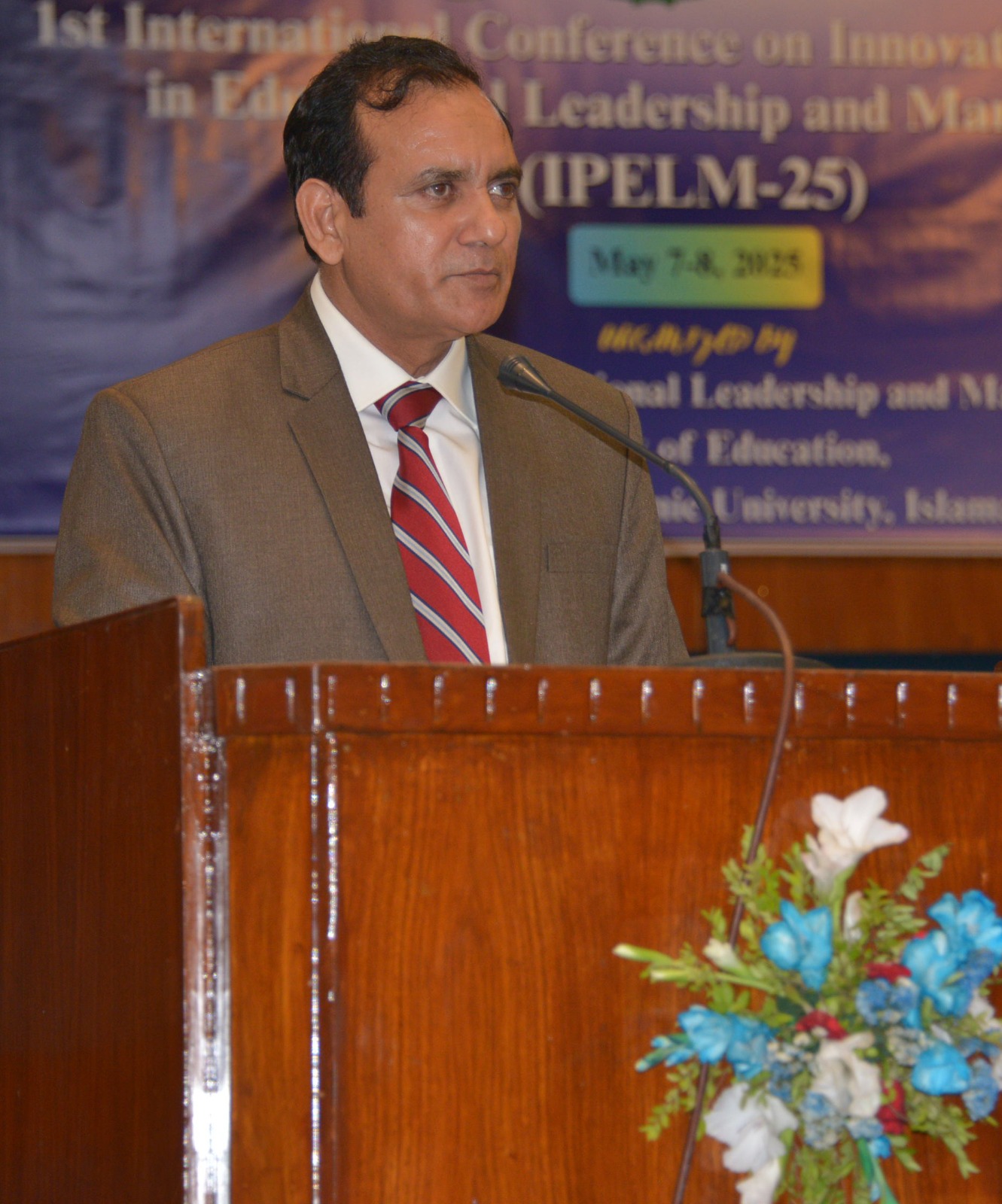
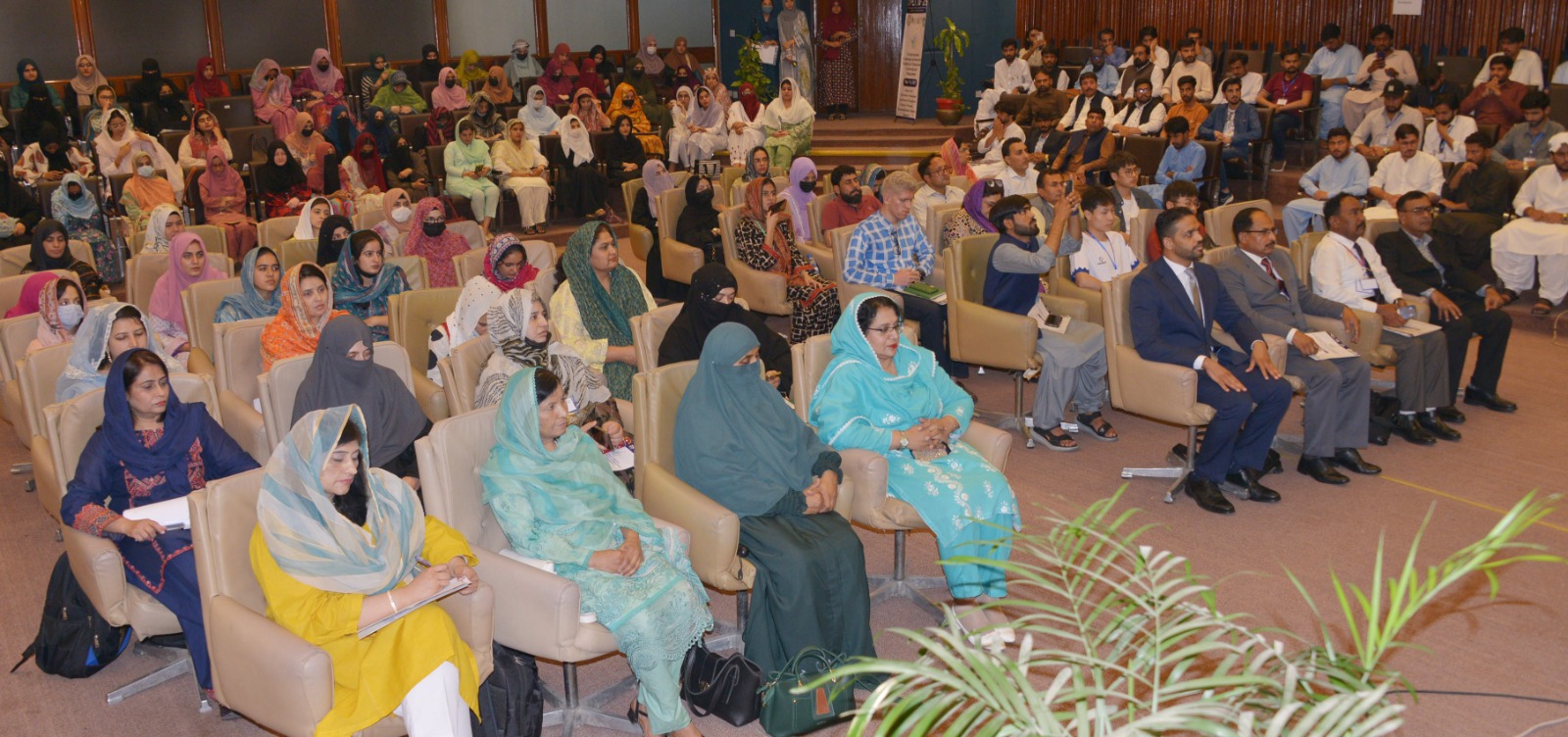 Presenting the conference report, Dr. Azhar Mahmood, Conference Chair and Chairperson of the Department, shared that the two-day event featured five keynote addresses by national and international experts, over 150 paper presentations, and 18 poster sessions. The presentations covered a wide range of themes, including AI in education, teacher leadership, educational policy reform, inclusive education, sustainability, and governance.
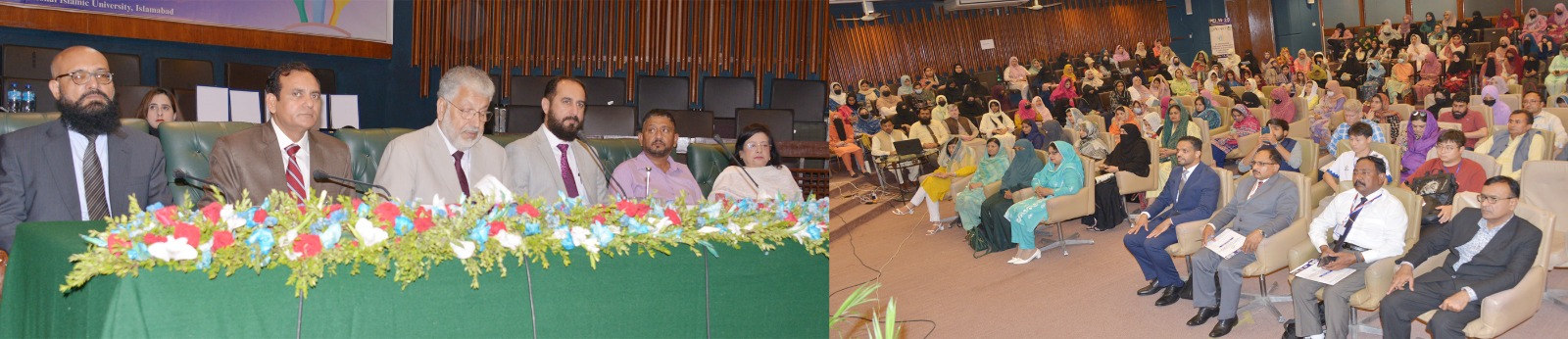 A panel discussion on the theme “Reimagining Educational Leadership for Sustainable Development: Innovation, Inclusion, and Resilience in a Global Academic Landscape” brought together senior educationists and thought leaders. Panelists included Prof. Dr. Ayaz Khan (University of Education, Lahore), Prof. Dr. Rizwan Akram Rana (UMT, Lahore), Prof. Dr. Ghulam Behlol (FJWU), Ms. Robeela Bangash (HRDN), and Dr. Samina Khan (ADMAS University, Somaliland). The discussion focused on the future of educational leadership and the role of innovation and resilience in navigating current and future challenges.
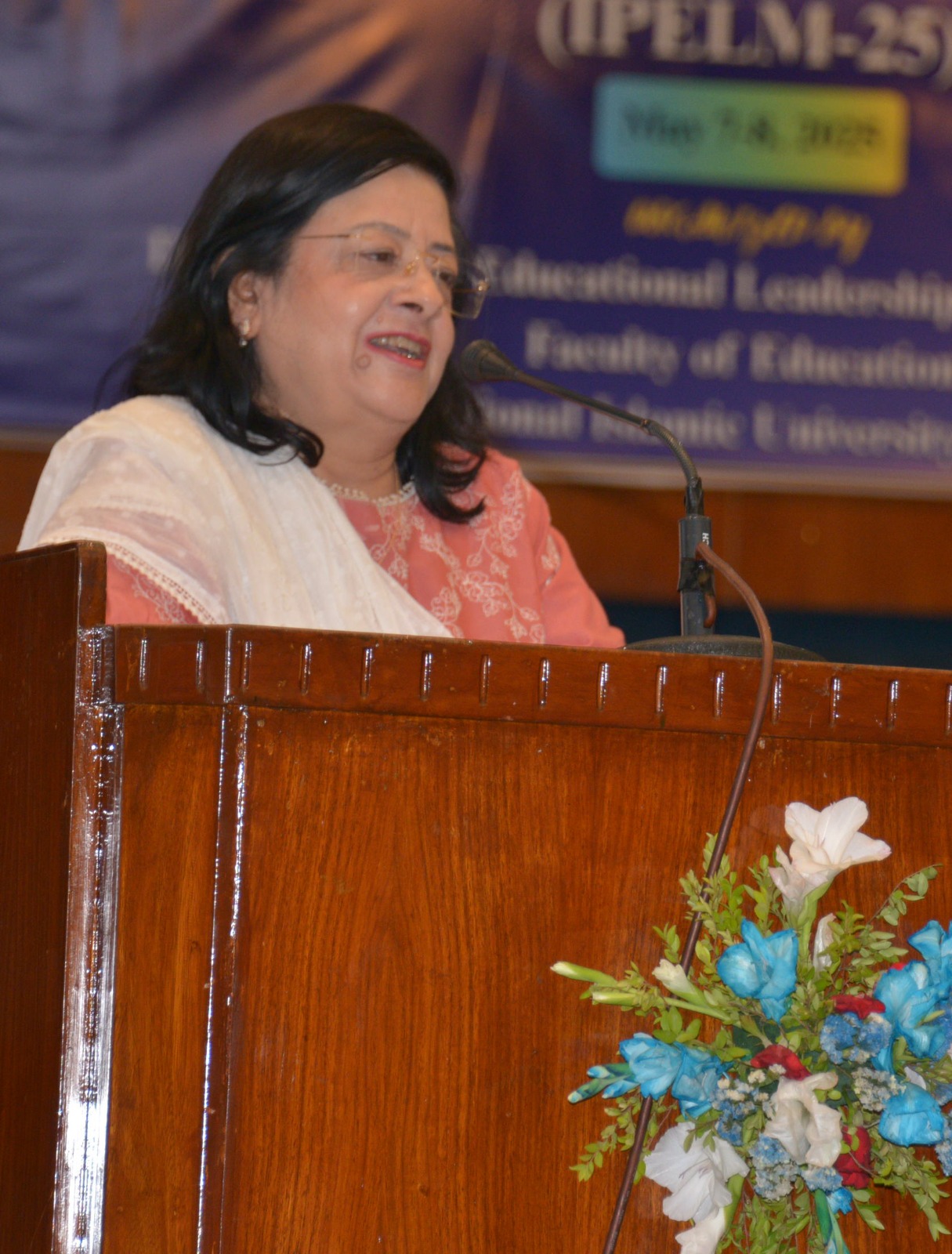
 Dr. Shamsa Aziz, Secretary NACTE and Guest of Honour, appreciated IIUI’s efforts in providing a much-needed forum to connect research with policy and practice. She stressed the importance of revisiting existing narratives of leadership in order to bring about meaningful transformation in education systems.
Prof. Dr. Abdul Rahman, Vice President (Academics, Administration & Finance) at IIUI, also serving as Guest of Honour, lauded the initiative and congratulated the organizing department for its efforts. Prof. Dr. Amna Mehmood, In-Charge of the Female Campus, extended similar appreciation and highlighted the importance of such academic events.
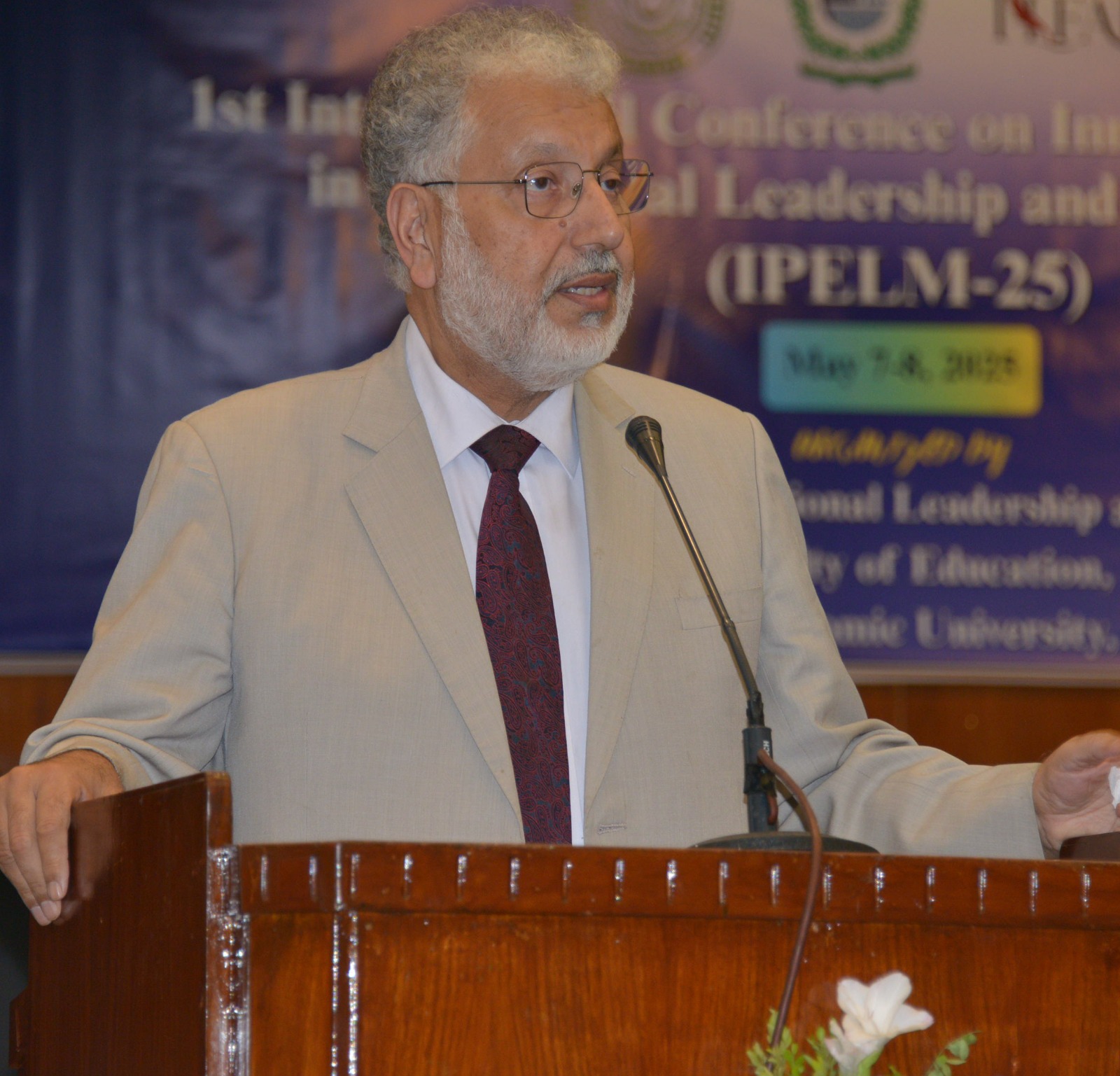
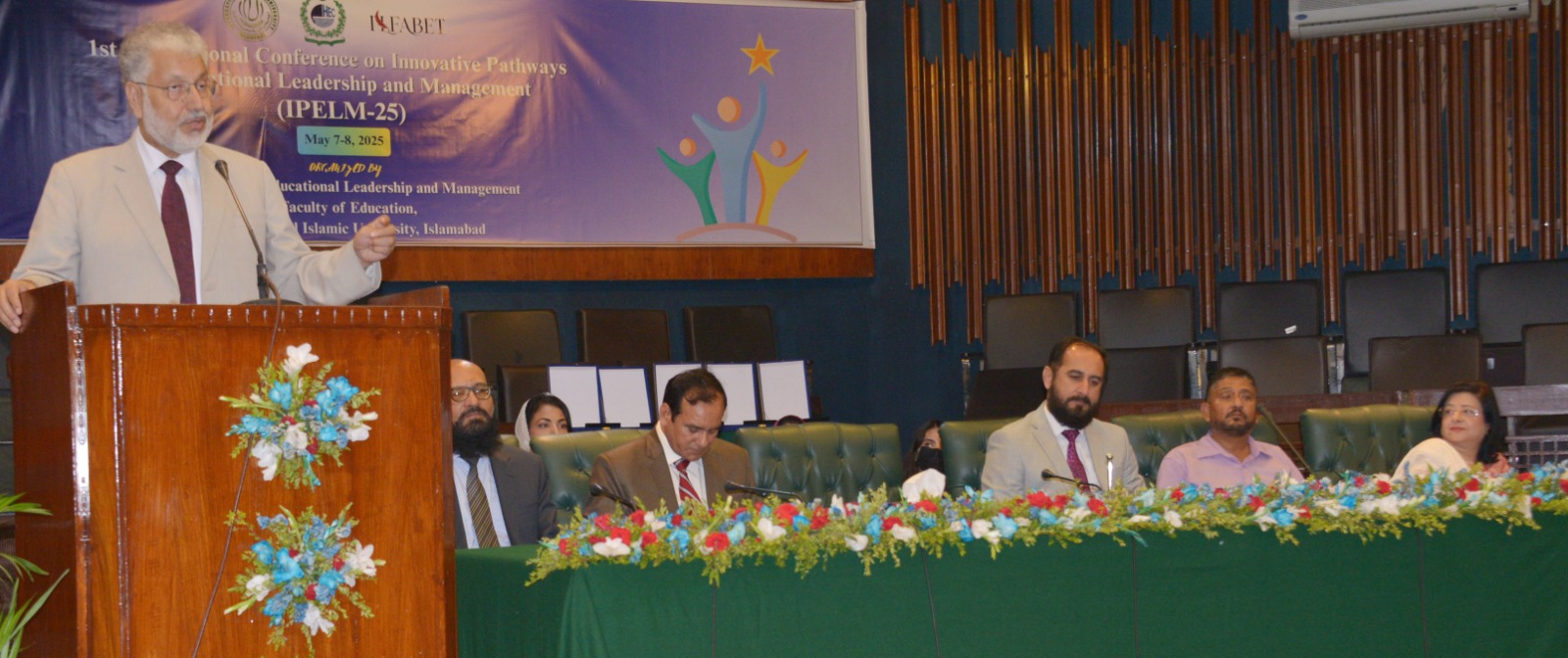
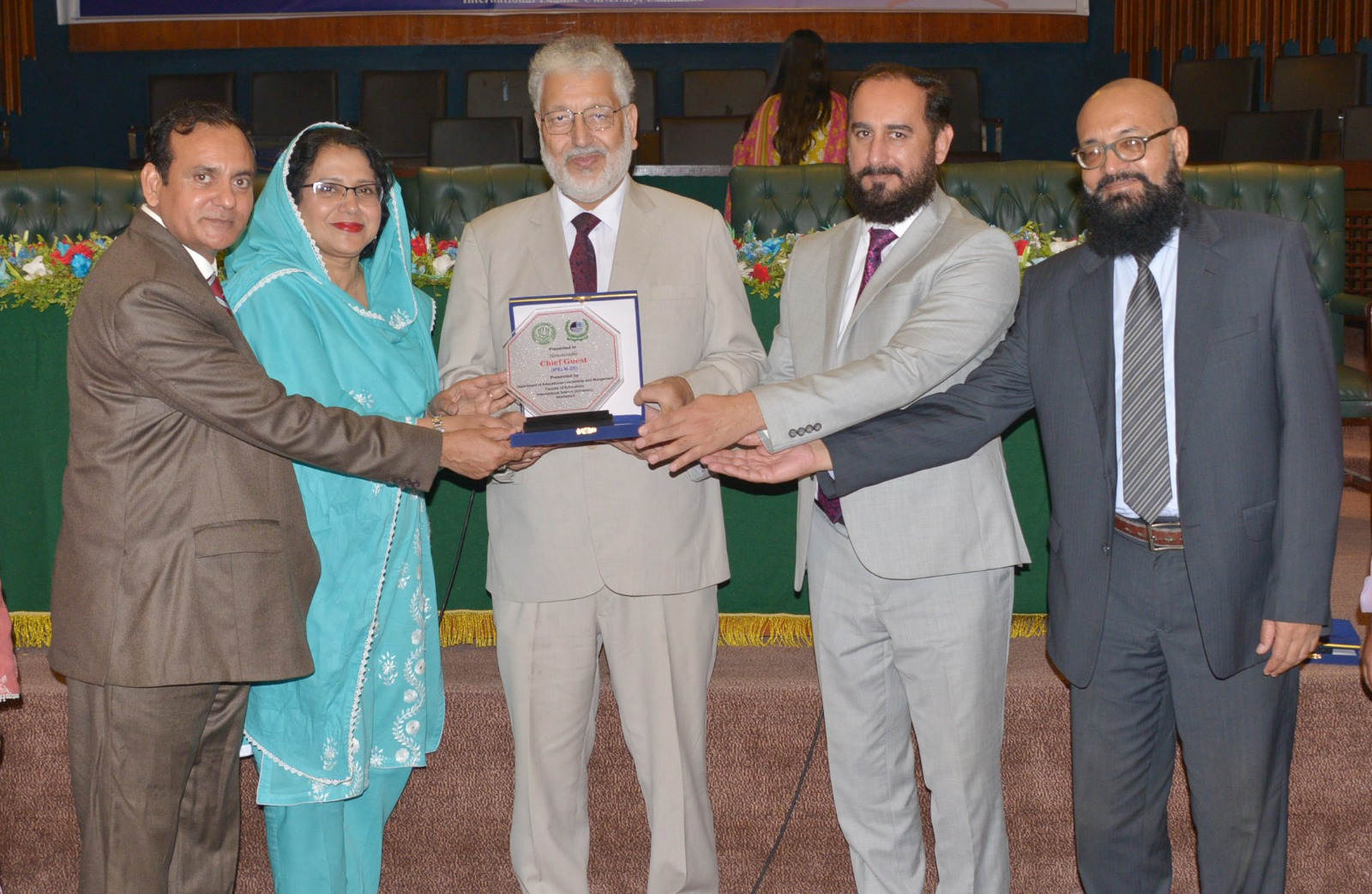 Prof. Dr. Mukhtar Ahmed, Rector IIUI and Chairman HEC Pakistan, was the Chief Guest at the closing ceremony. In his address, he acknowledged the relevance of the conference themes to Pakistan’s educational priorities and emphasized the need for action beyond dialogue.
“Leadership isn’t just about holding a title—it’s about having the vision to inspire and the will to act. True leaders show the way, not by instruction alone, but by example.”
He stressed that teachers, regardless of their formal roles, are leaders who shape lives. Their conduct, decisions, and responses all reflect their leadership. He called for a model of leadership that is proactive, ethical, and responsive to emerging educational demands.
In his closing remarks, Dr. Azhar Mahmood shared key recommendations from the conference, which included the ethical use of AI in education, strengthening adaptive governance, and promoting inclusive teaching practices. Speakers highlighted the need to cultivate teachers as inquiry-driven leaders and to align educational institutions with values of equity, collaboration, and digital readiness. Among the key takeaways were:
Advocacy for decentralized education policies
Building professional learning communities
Inclusive training and assessment models
Support for women in leadership roles
Focus on sustainability and digital literacy
 The conference emphasized that equity-centered and tech-informed leadership will be critical in meeting both national education goals and global SDG commitments. Dr. Mahmood also acknowledged the valuable contributions of early-career scholars and reiterated IIUI’s commitment to fostering interdisciplinary and innovative research in education. He mentioned that a detailed conference report will be released shortly.
The conference concluded with a formal closing ceremony, during which souvenirs and certificates were presented. The organizing committee, volunteers, keynote speakers, and institutional partners were all acknowledged for their efforts. Dr. Mahmood expressed hope that IPELM will continue as a regular academic event, contributing to ongoing dialogue and action in educational leadership.