

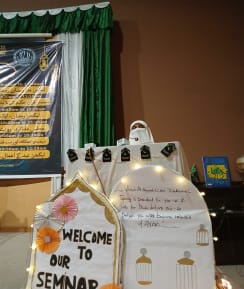
 A series of lectures and discussions were organized at the Female Campus of the International Islamic University Islamabad (IIUI) under the Spiritual and Moral Development Programs during Ramadan 2025. The Directorate of Students’ Affairs, in collaboration with the Islamian Youth Forum, arranged these sessions to provide students with insights into the significance of Ramadan, fasting, worship, and self-purification.
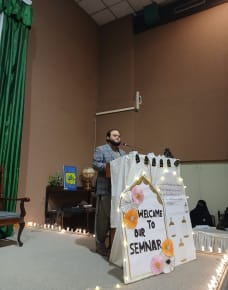 The first two sessions took place on March 6, 2025. The first session, led by Dr. Haroon ur Rasheed, focused on “ماہِ رمضان – روحانی تازگی کا پیغام.” The speaker discussed the spiritual essence of Ramadan, emphasizing fasting as a means of purification, strengthening faith, and enhancing self-discipline. He highlighted the concept of Taqwa (God-consciousness) and how Ramadan offers an opportunity for deeper devotion, prayers, and self-reflection.
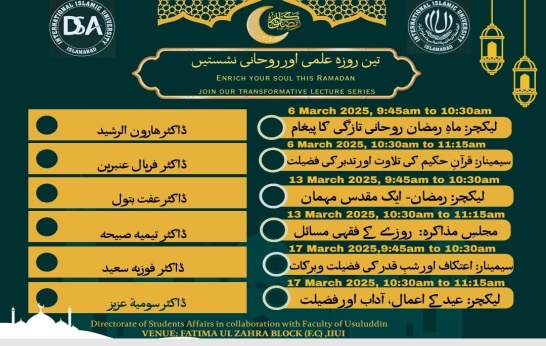
 The second session was conducted by Dr. Faryal Ambreen on “قرآن حکیم کی تلاوت اور تدبر کی فضیلت,” where she underscored the importance of reciting the Quran and engaging in Tadabbur (deep contemplation). She explained how regular engagement with the Quran strengthens faith and moral character.
The next set of sessions was held on March 13, 2025. Dr. Iffat Batool, in her lecture “رمضان – ایک مقدس مہمان,” described Ramadan as a guest that arrives once a year, bringing opportunities for forgiveness, mercy, and spiritual renewal. She elaborated on the virtues of fasting, voluntary prayers such as Taraweeh and Tahajjud, and how to make the most of Ramadan through increased acts of kindness and charity. The second session of the day featured a panel discussion on “روزے کے فقہی مسائل,” where Dr. Ghazala Ghalib (Sharia and Law), Dr. Ammatul Aziz (Usuluddin), and Miss Zainab Arshad addressed jurisprudential aspects of fasting. The discussion covered exemptions from fasting, Fidya (compensation for missed fasts), rules for travelers, medical concerns, and the significance of Niyyah (intention) in fasting. The panelists clarified common misconceptions and provided guidance on observing Ramadan correctly.
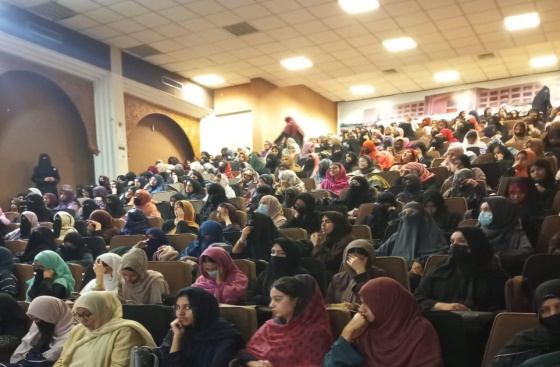 On March 17, 2025, the final two sessions were conducted. Dr. Fouzia Saeed led the first session on “اعتکاف اور شبِ قدر کی فضیلت و برکات,” where she discussed the significance of Itikaf (seclusion for worship) and Laylat-ul-Qadr (The Night of Power). She explained how Itikaf allows believers to detach from distractions and focus on worship, while Laylat-ul-Qadr offers an opportunity for divine mercy and forgiveness. The concluding session was conducted by Dr. Somia Aziz on “عید کے اعمال، آداب اور فضائل.” She spoke about the etiquettes and virtues of Eid celebrations, explaining the significance of Zakat-ul-Fitr, Eid prayer, and the spirit of generosity and unity. She encouraged attendees to reflect on their Ramadan experiences and continue practicing its lessons throughout the year.
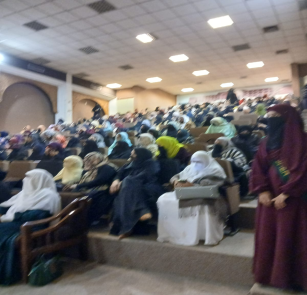 Students and faculty actively participated in the discussions, gaining a deeper understanding of Ramadan and its practices.
 The sessions aimed to enhance spiritual consciousness and encourage self-improvement. The initiative sought to create a meaningful Ramadan experience for female students by strengthening their connection to Islamic teachings through discussions led by renowned scholars.