

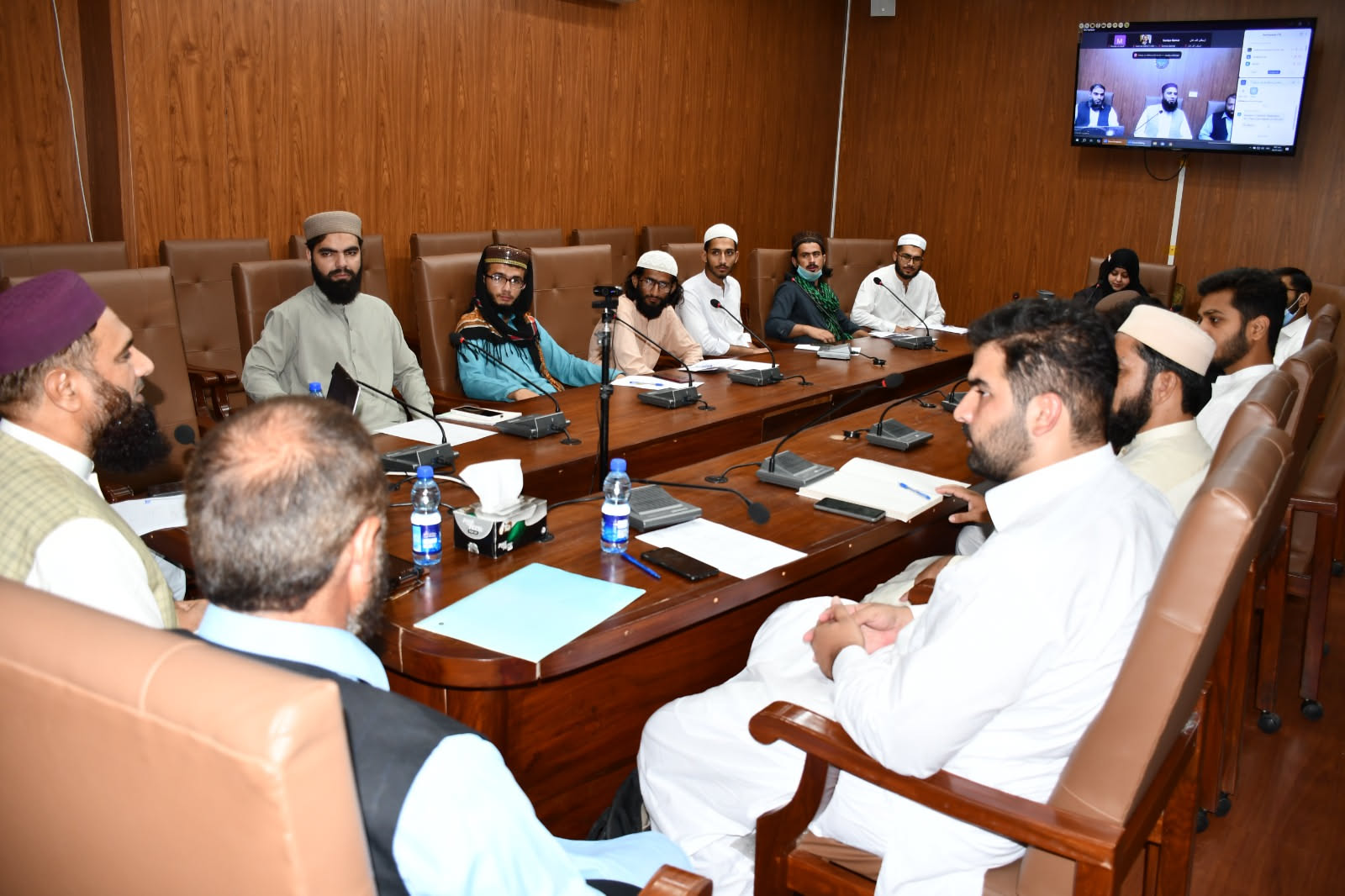
 A two-day training program titled “Resolution of Family Issues in the Light of Sharʻiah” was organized by the Shariʻah Academy, International Islamic University Islamabad (IIUI), on July 26–27, 2025. The event, held both on-campus and online, aimed to raise awareness among the general public on Sharʻiah-based approaches to resolving family disputes and promoting an understanding of Islamic family laws.
The sessions focused on a range of contemporary family-related challenges such as marriage, divorce, inheritance, child custody, second marriage, khula, and waiting period. Scholars and legal experts provided practical and jurisprudential insights on each subject.
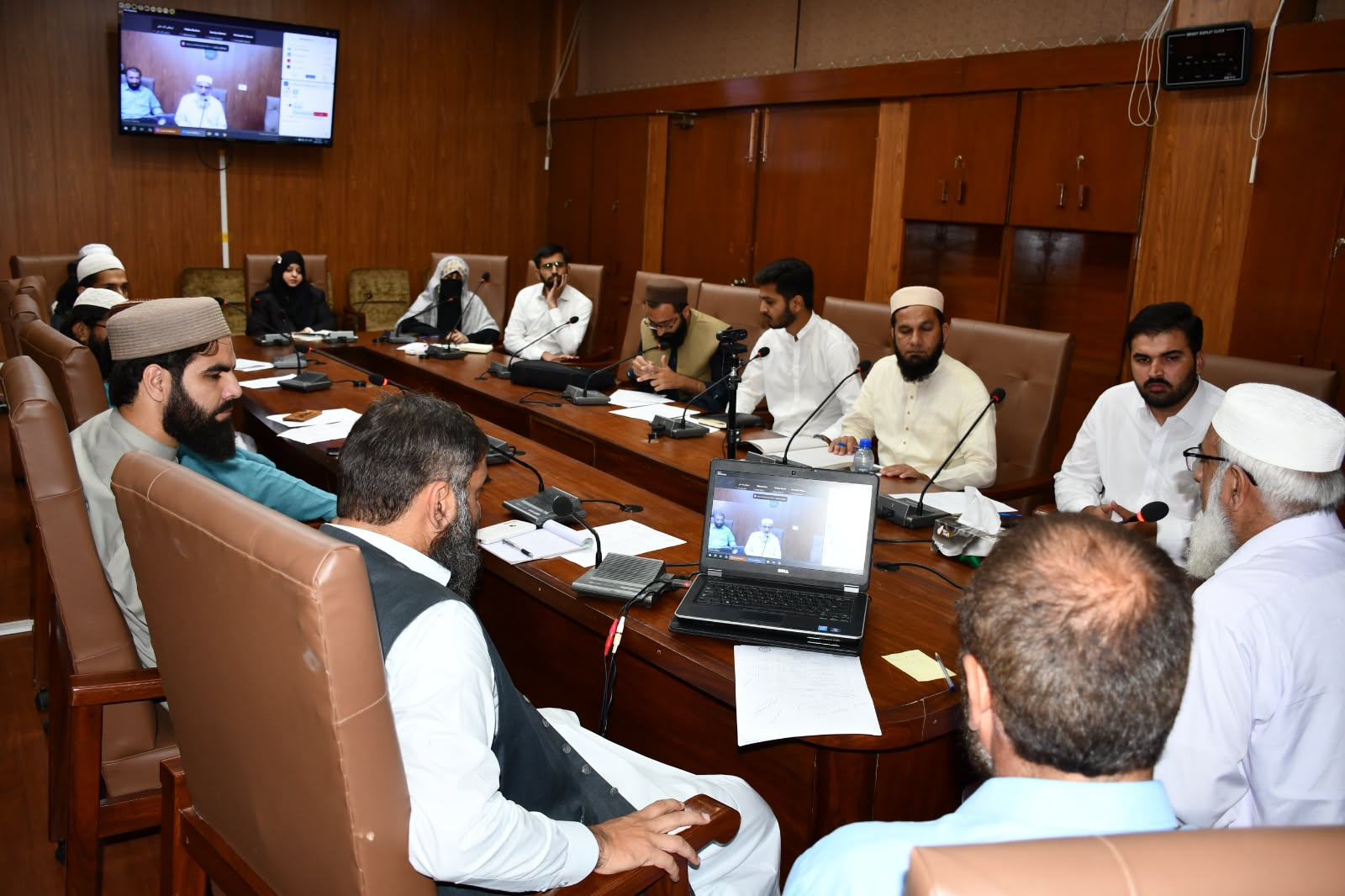 The opening session, led by Director General of Shariʻah Academy Prof. Dr. Muhammad Akram and Dr. Shams-ul-Haq, addressed the foundations of the Islamic family system and its relevance in the face of modern challenges such as materialism, individualism, and weakening social structures. This was followed by an open discussion on shifting societal values and media influences on family dynamics.
Dr. Shams-ul-Haq delivered a talk on “Cultural Practices and the Need for Reform,” where he discussed un-Islamic customs including dowry and social extravagance. Dr. Shehzad Iqbal Shami addressed issues related to marriage and divorce, outlining Islamic rulings and proper procedures. Dr. Habib-ur-Rehman concluded the first day by highlighting the characteristics of an ideal family in Islam.
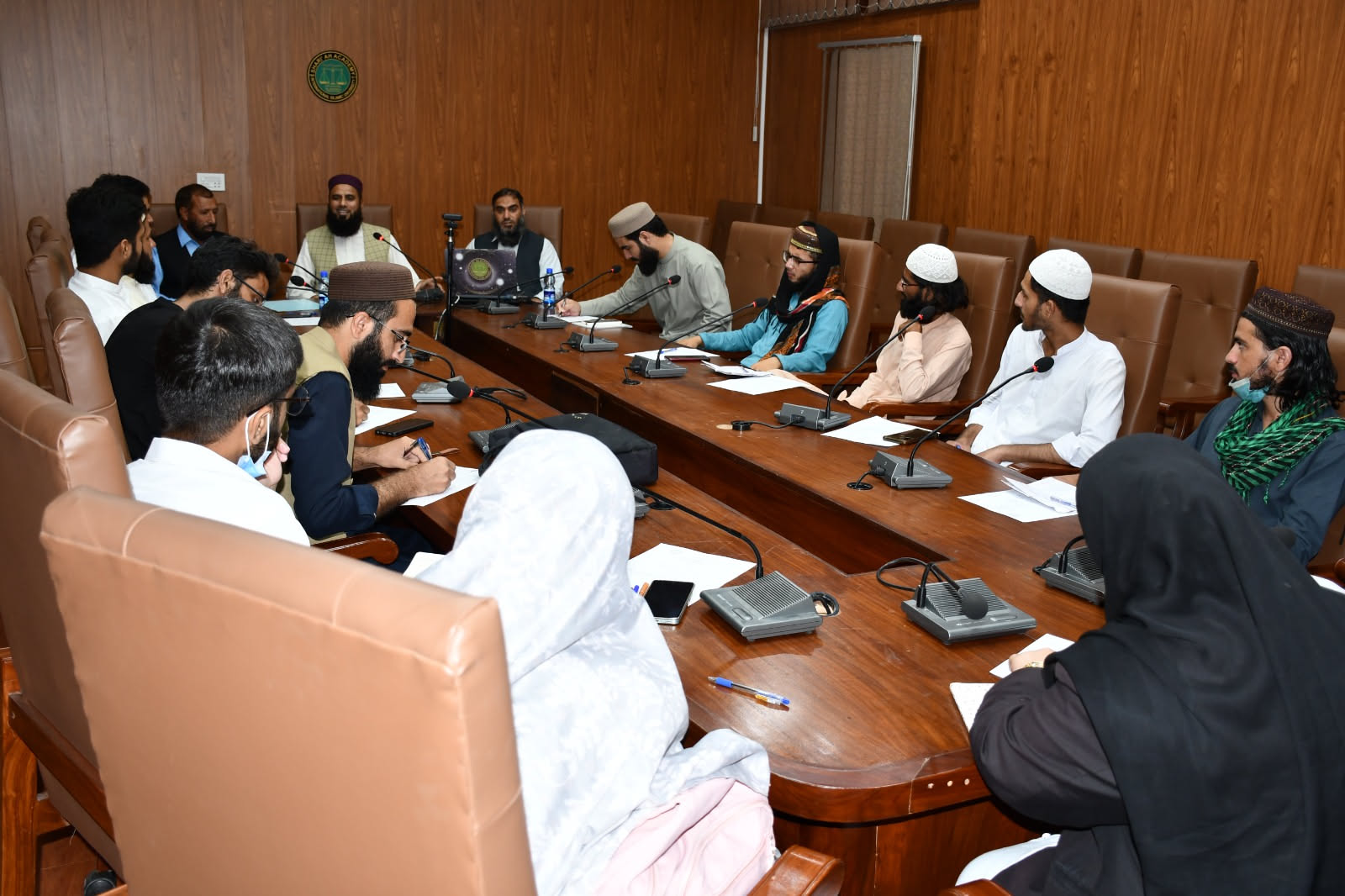 The second day opened with a session by Prof. Dr. Muhammad Akram on “How to Make Our Homes a Model of Paradise,” emphasizing principles of harmony, mutual respect, and cooperation. Hafiz Ahmad Waqas discussed inheritance-related issues, clarifying Sharʻiah-based distribution methods in the context of Pakistani law and dispelling common misconceptions, particularly regarding women’s inheritance rights.
In the final session, Dr. Saqib Jawad spoke on child custody and related rights, elaborating on the legal and Islamic perspectives concerning the care, education, and visitation rights of children.
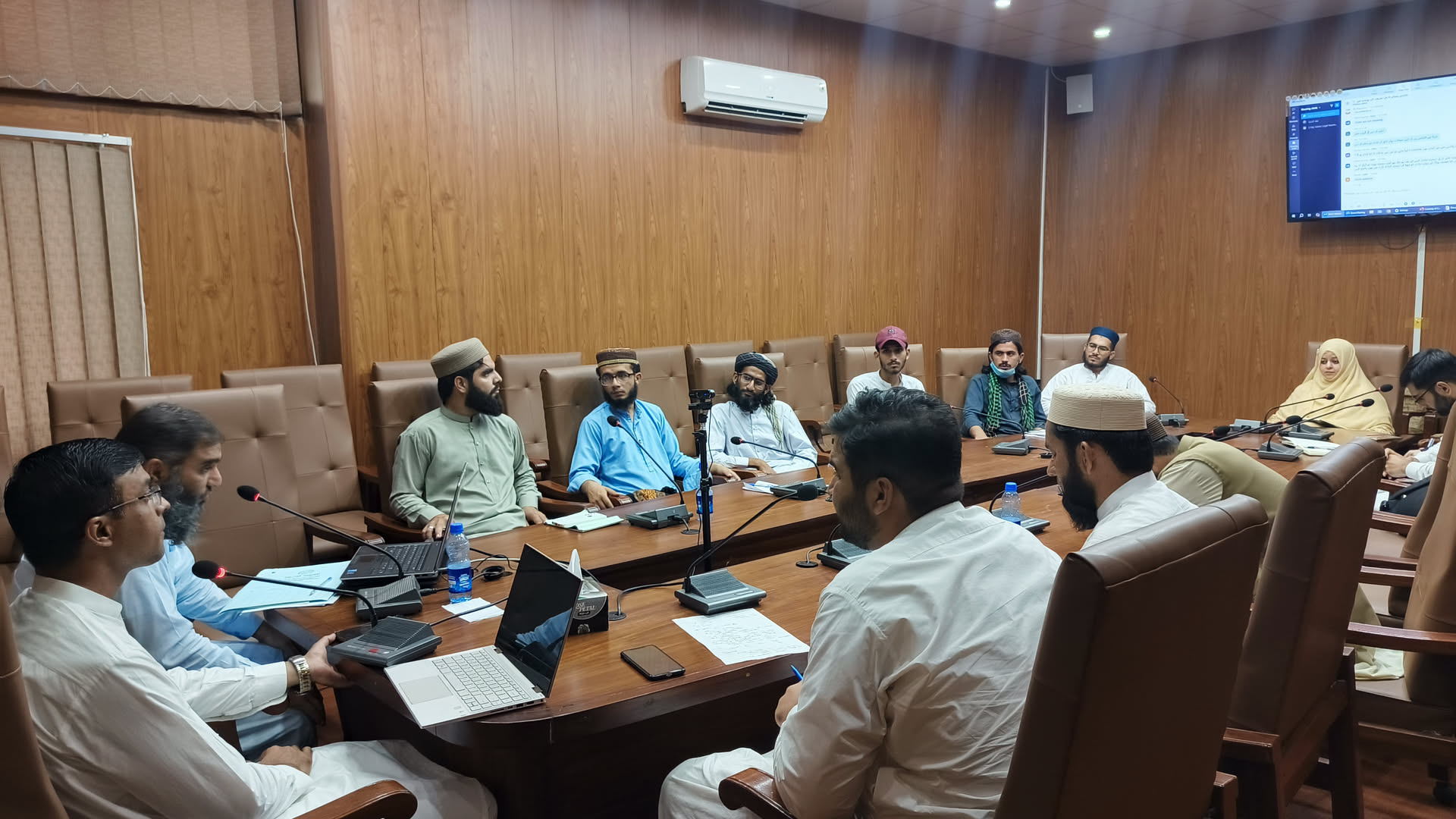 The training was attended by around thirty participants from diverse backgrounds. Attendees appreciated the initiative and called for more such programs to enhance public understanding of Islamic family jurisprudence. Certificates were distributed at the conclusion of the course.