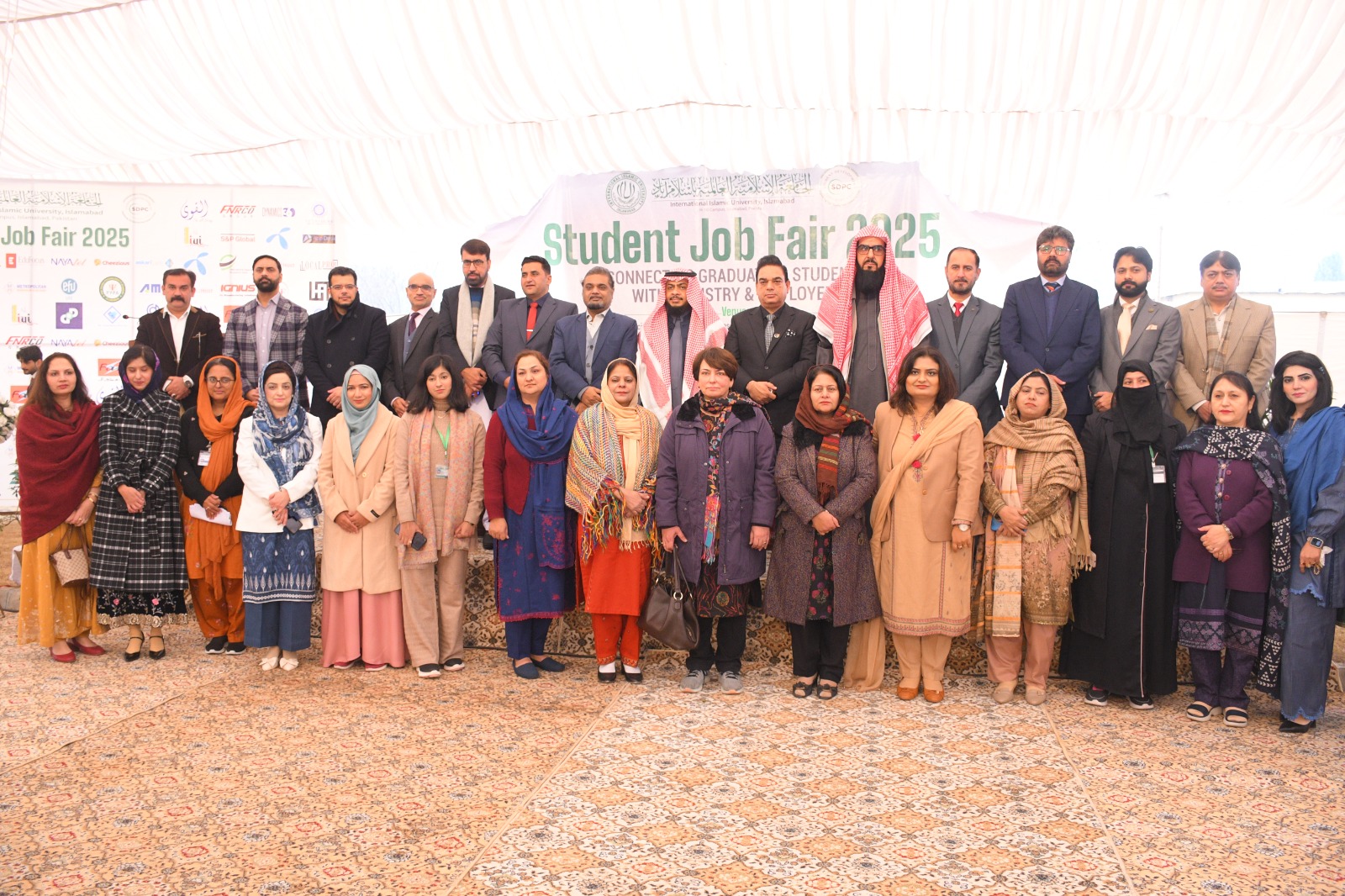
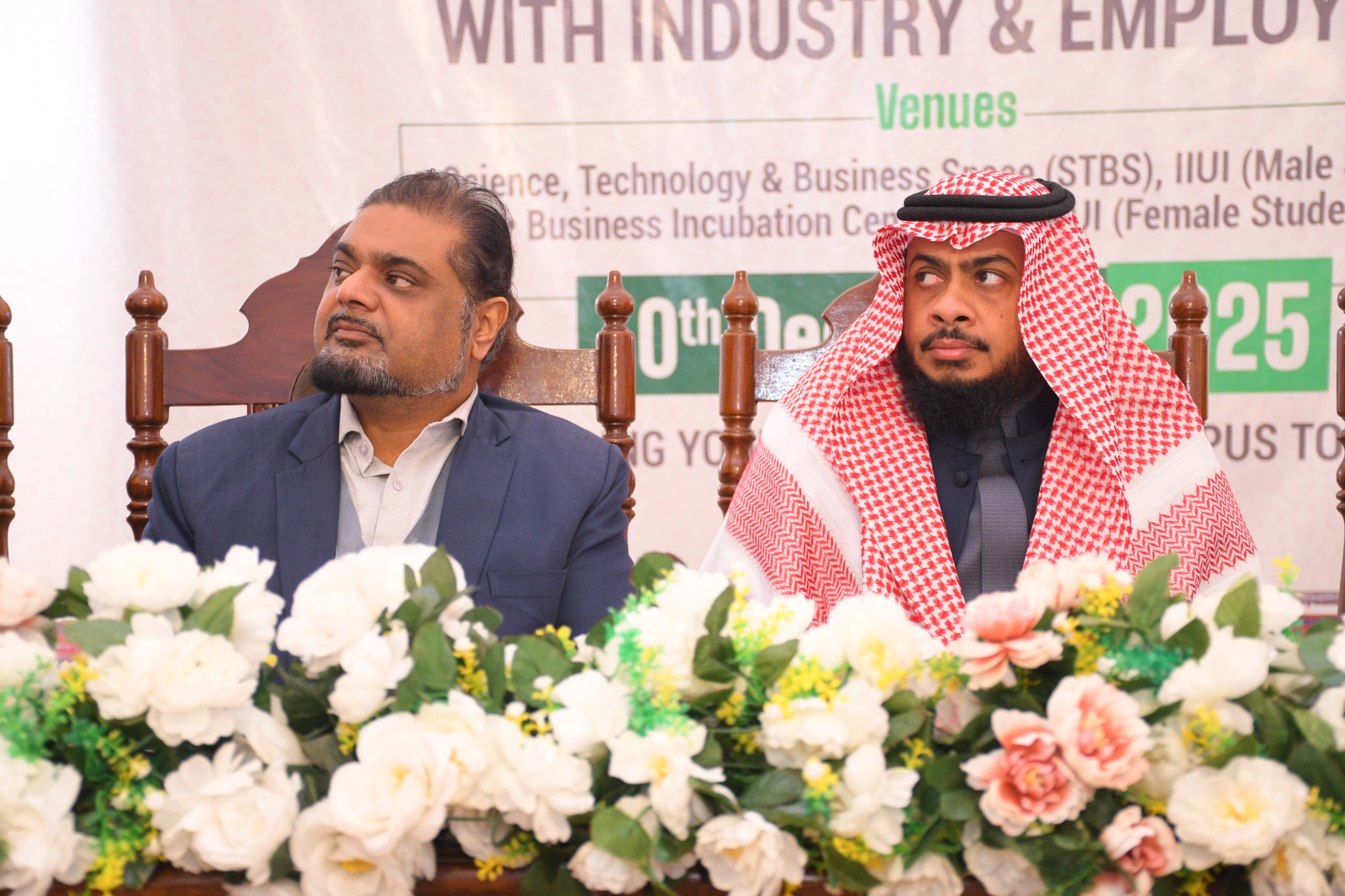
 Islamabad: – International Islamic University Islamabad (IIUI) organized Job Fair 2025 at its New Campus, providing a comprehensive platform for graduating students to engage with industry, employers, startups, and research-oriented organizations. The initiative aimed at translating academic learning into practical exposure aligned with contemporary market and industry requirements.
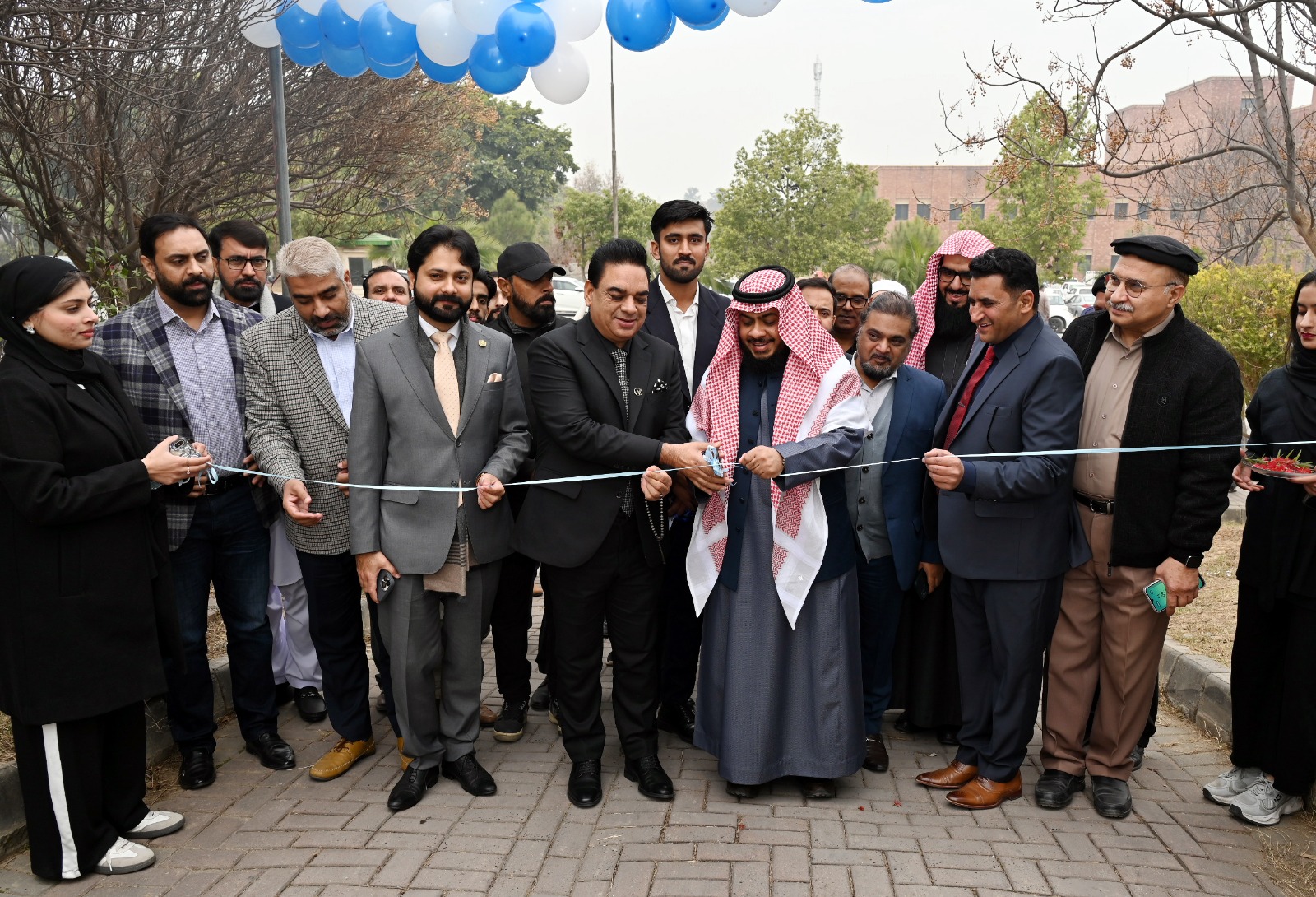
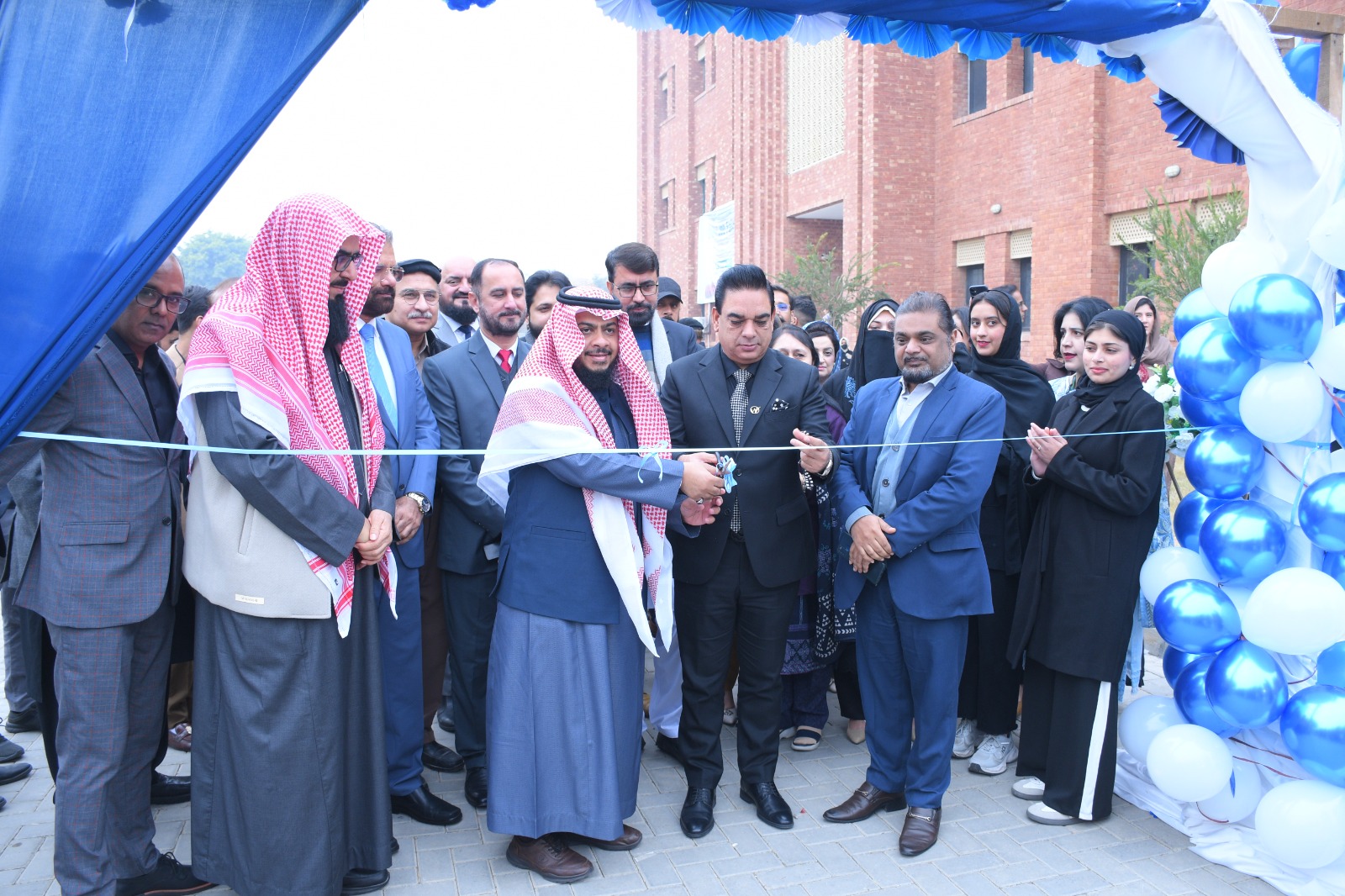
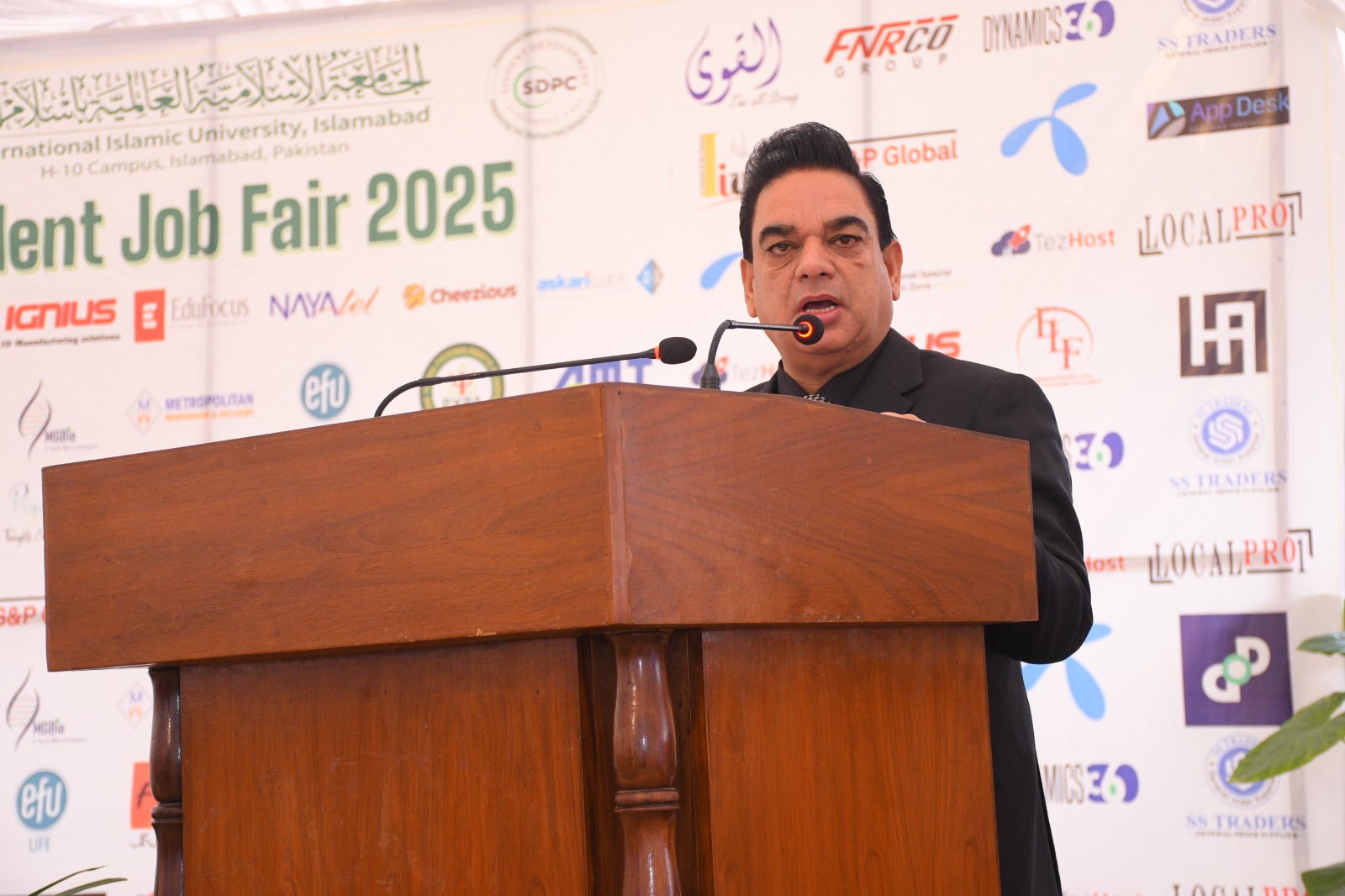
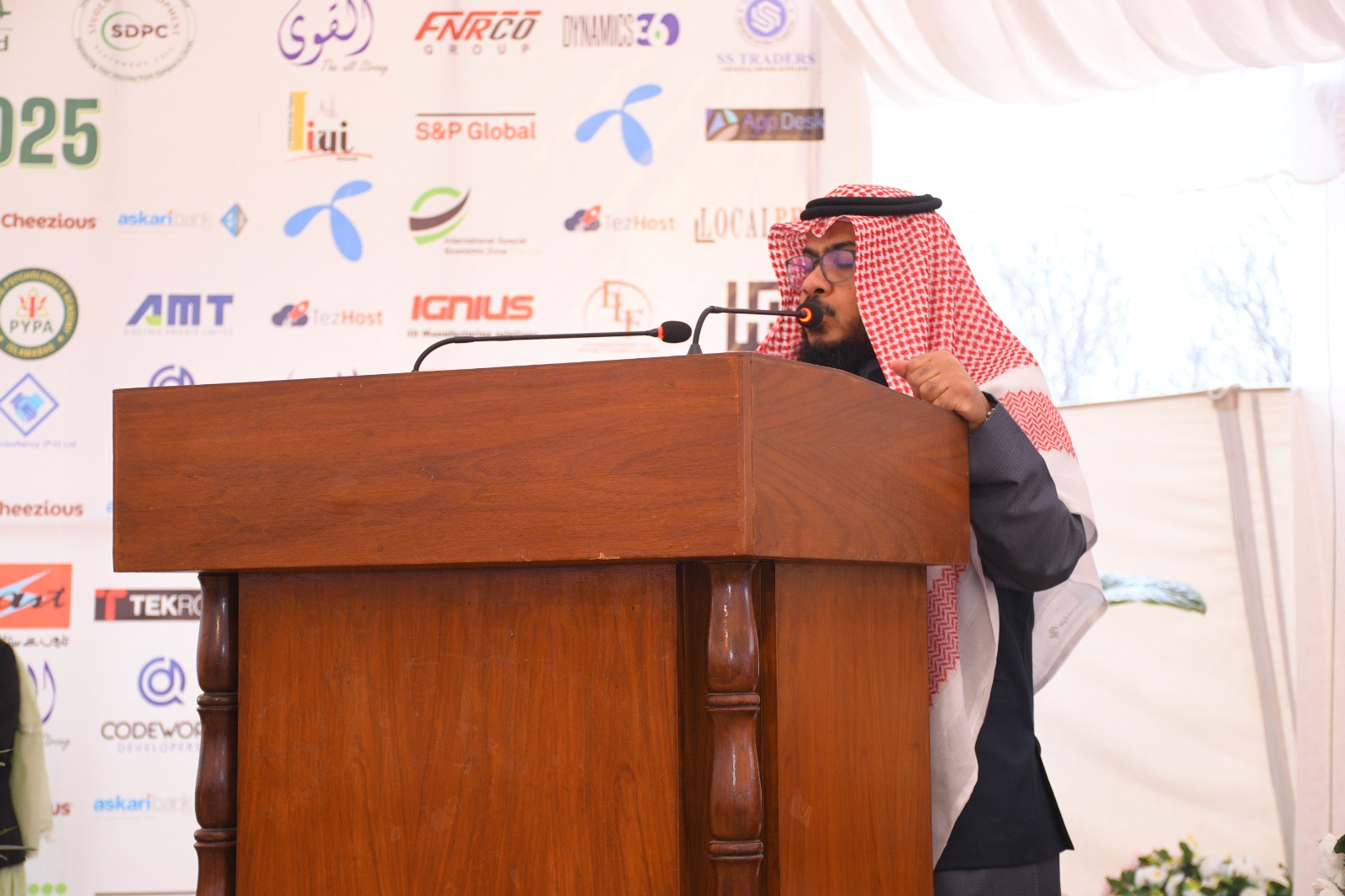
The inaugural ceremony was addressed by Prof. Dr. Ahmed Saad Alahmed, President International Islamic University Islamabad (IIUI), who welcomed the guests and highlighted the university’s commitment to academic excellence integrated with professional values. He emphasized that the study period of every student carries responsibility and purpose, and confidence in applying knowledge to real-life situations is essential for professional success. He appreciated the collective efforts of faculty members and organizing committees for strengthening academia–industry collaboration through such initiatives.
President IIUI noted that job fairs play a vital role in bridging the gap between theoretical learning and practical application, enabling students to develop problem-solving abilities, adaptability, and innovation-oriented skills required in the evolving era of science and technology.
Sardar Tahir Mahmood, President Islamabad Chamber of Commerce and Industry (ICCI), congratulated the IIUI administration and faculties for organizing a meaningful and well-structured job fair. He highlighted the importance of strong academia–industry linkages, describing youth as a key driver of national development. He stated that platforms such as job fairs serve as an effective bridge between young talent and employers, while research-based innovation, product showcasing, and startup engagement contribute toward market-ready solutions. He reaffirmed ICCI’s continued support for universities in facilitating career development and industry collaboration.
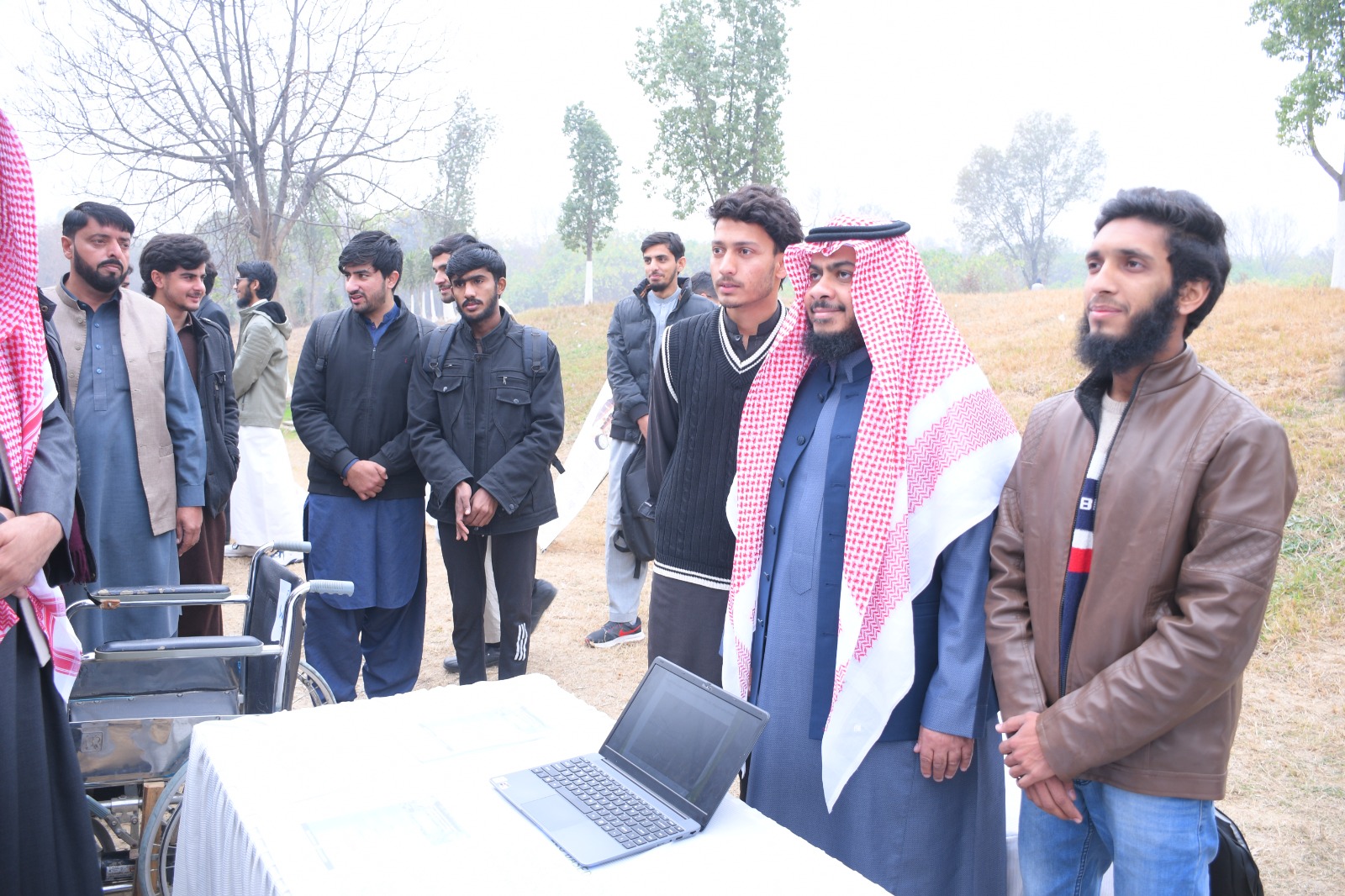
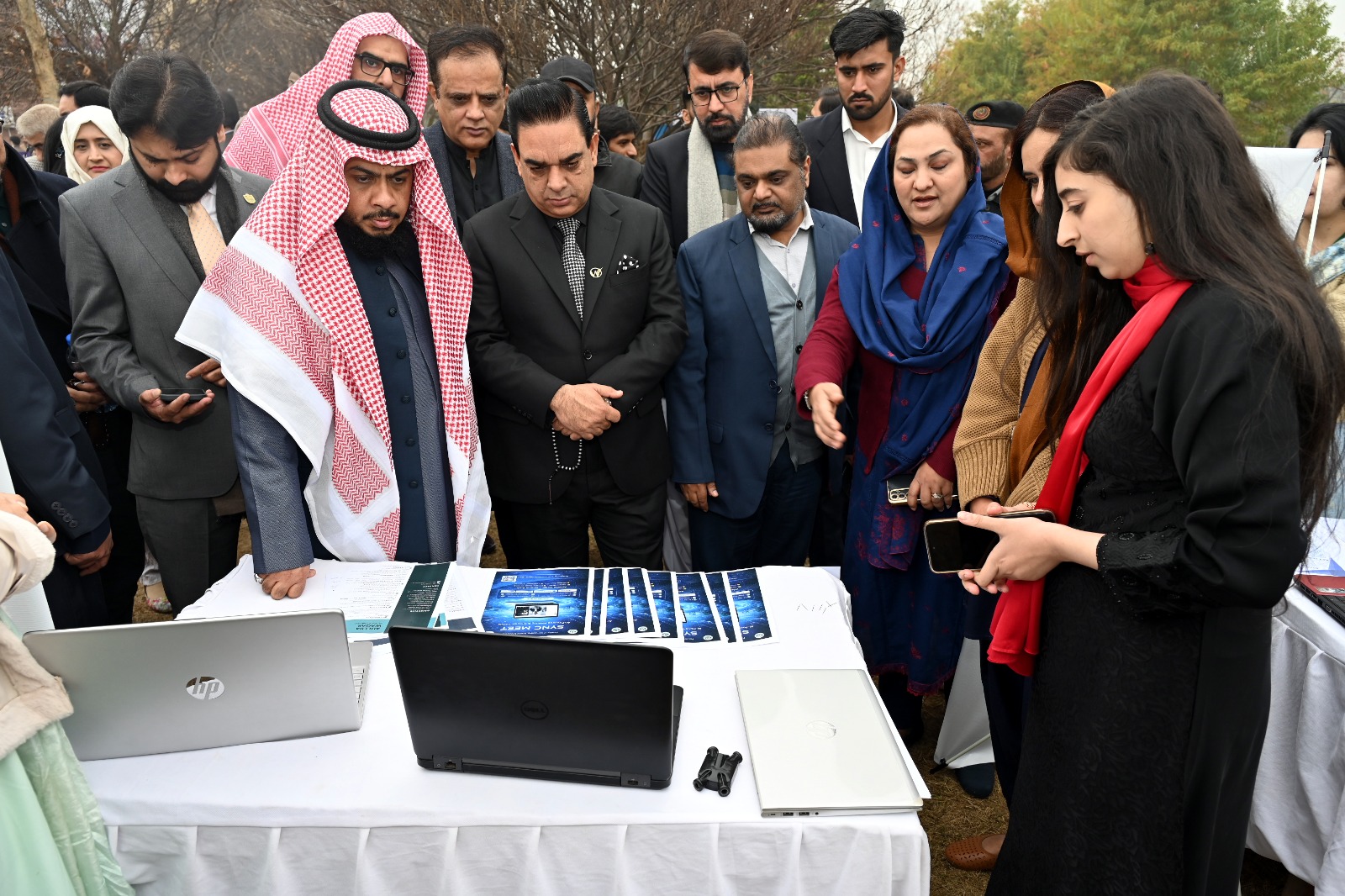
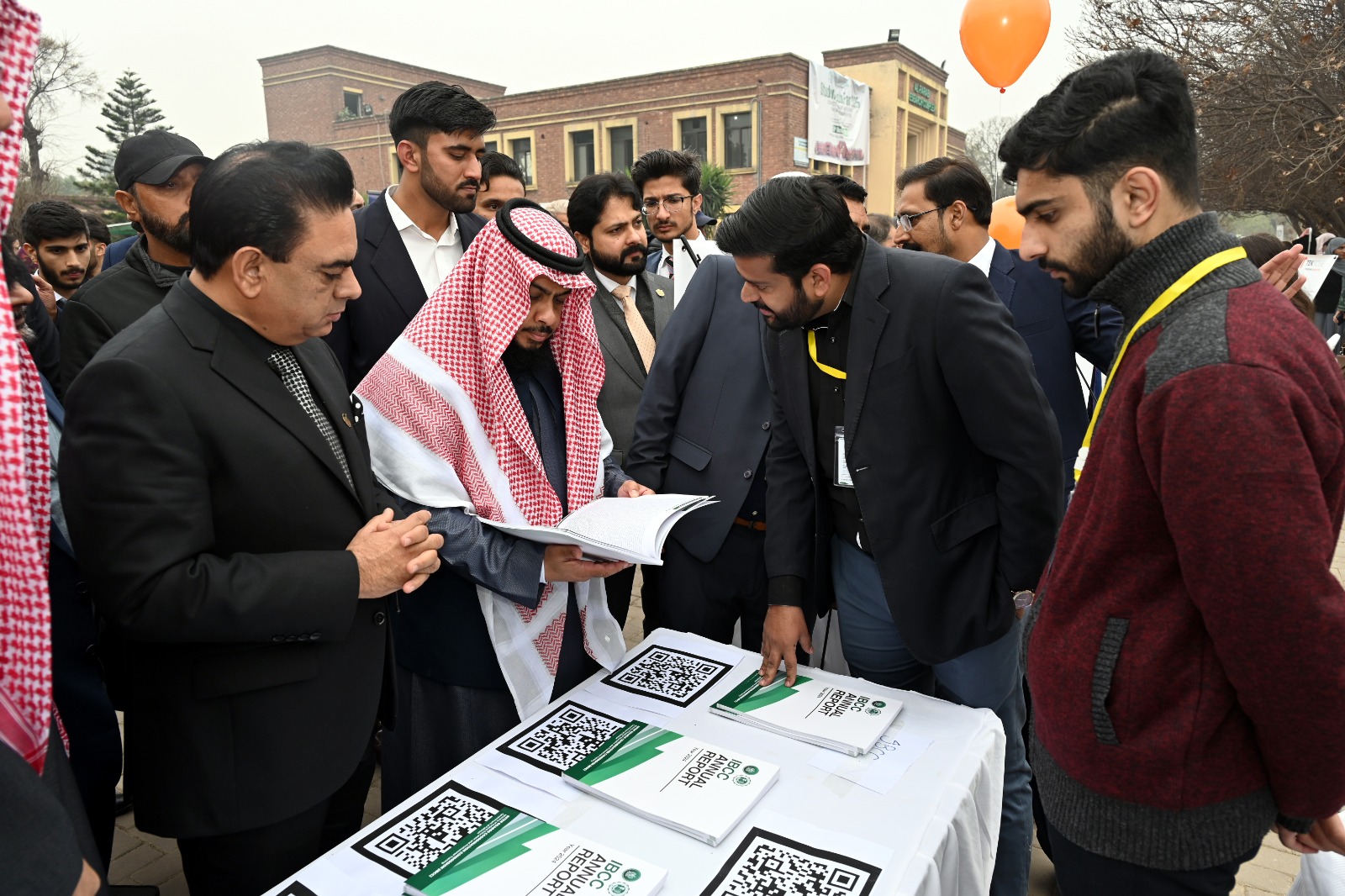
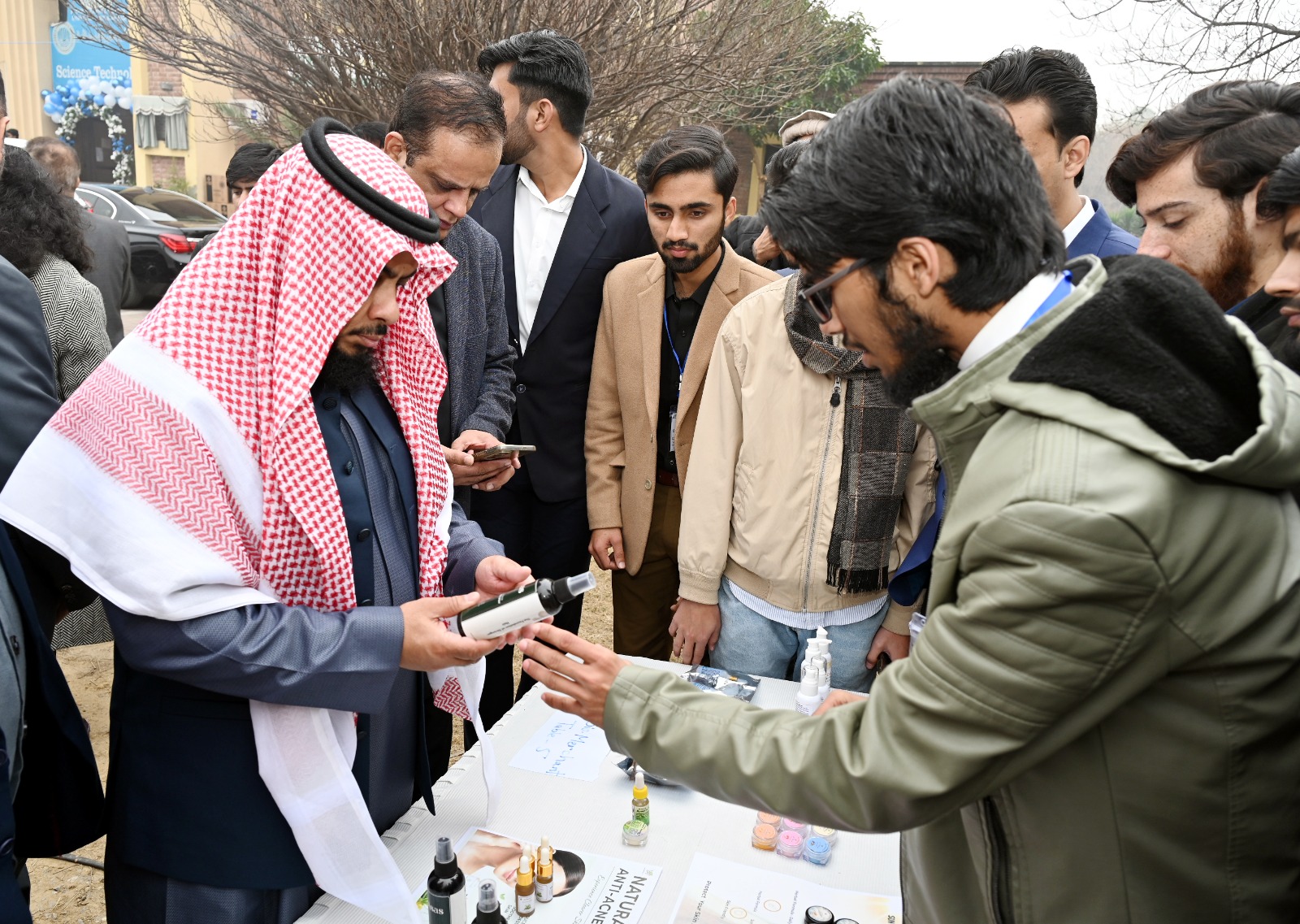
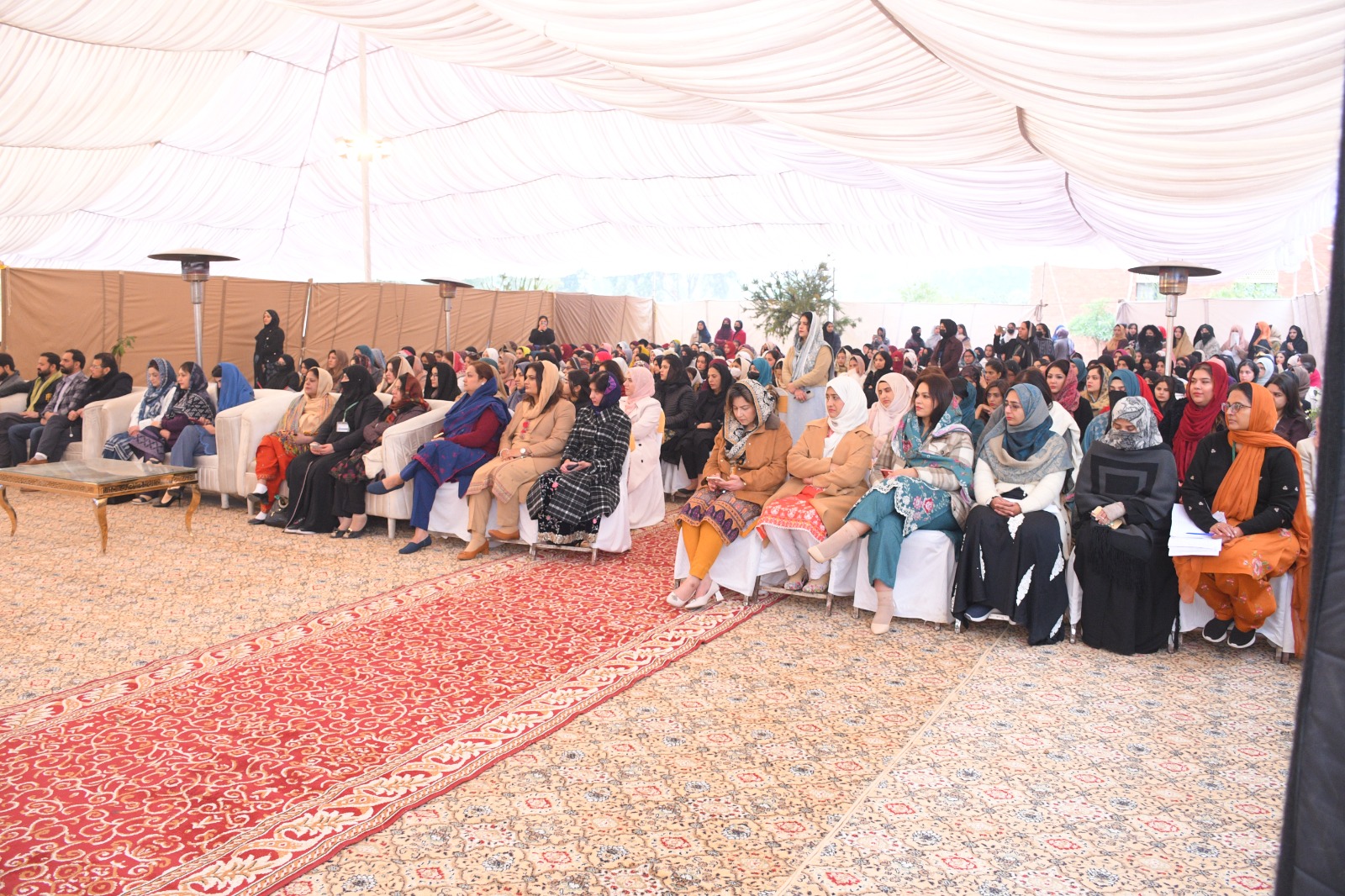
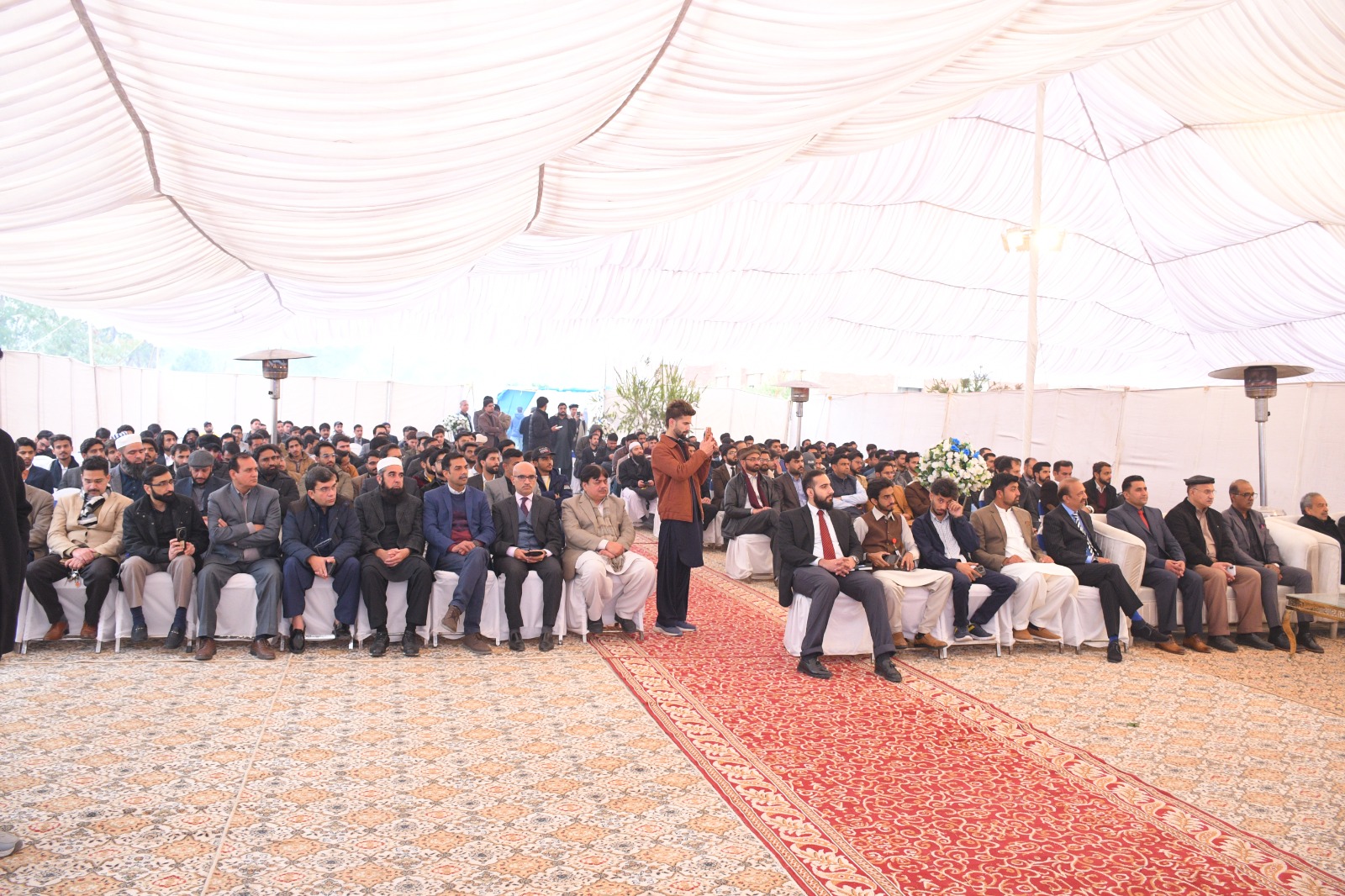
The Job Fair was held simultaneously, with separate arrangements for male and female students, at the Science, Technology and Business Space (STBS) and the Business Incubation Center (BIC), IIUI. Representatives from various industries and organizations interacted with students, reviewed resumes, and discussed employment and internship prospects. Faculty members from all eleven faculties of IIUI actively participated by establishing dedicated stalls showcasing final year projects, research products, startups, and career facilitation initiatives.
The event was organized under the leadership of Dr. Bashir Ahmad, Head Industrial Linkages and Commercialization (ORIC-IIUI) and Convener Job Fair 2025, with coordination and institutional support provided by Prof. Dr. Ahmed Shuja Syed, Vice President (R&E) and Prof. Dr. Abdul Raheman, Vice President (Academics), IIUI. Key organizational roles were carried out by Prof. Dr. Muhammad Amir, Director, ORIC, IIUI, Dr. Fauzia Janjua, Dean Faculty of Languages and Literature, Dr. Muhammad Arif Saleem, In-Charge Student Development and Placement Cell (SDPC), Ms. Nuzhat Zareen, Director UA&FA, along with the university’s student advisory and residential management teams. Dr. Asma Gul, Professor, Biotechnology and Bioinformatics, Engr. Muhammad Ahsen Mirza, Director Business Incubation Center (BIC), and Dr. Inam-ul-Haq (Director Admin) oversaw logistics and on-ground execution of the event.
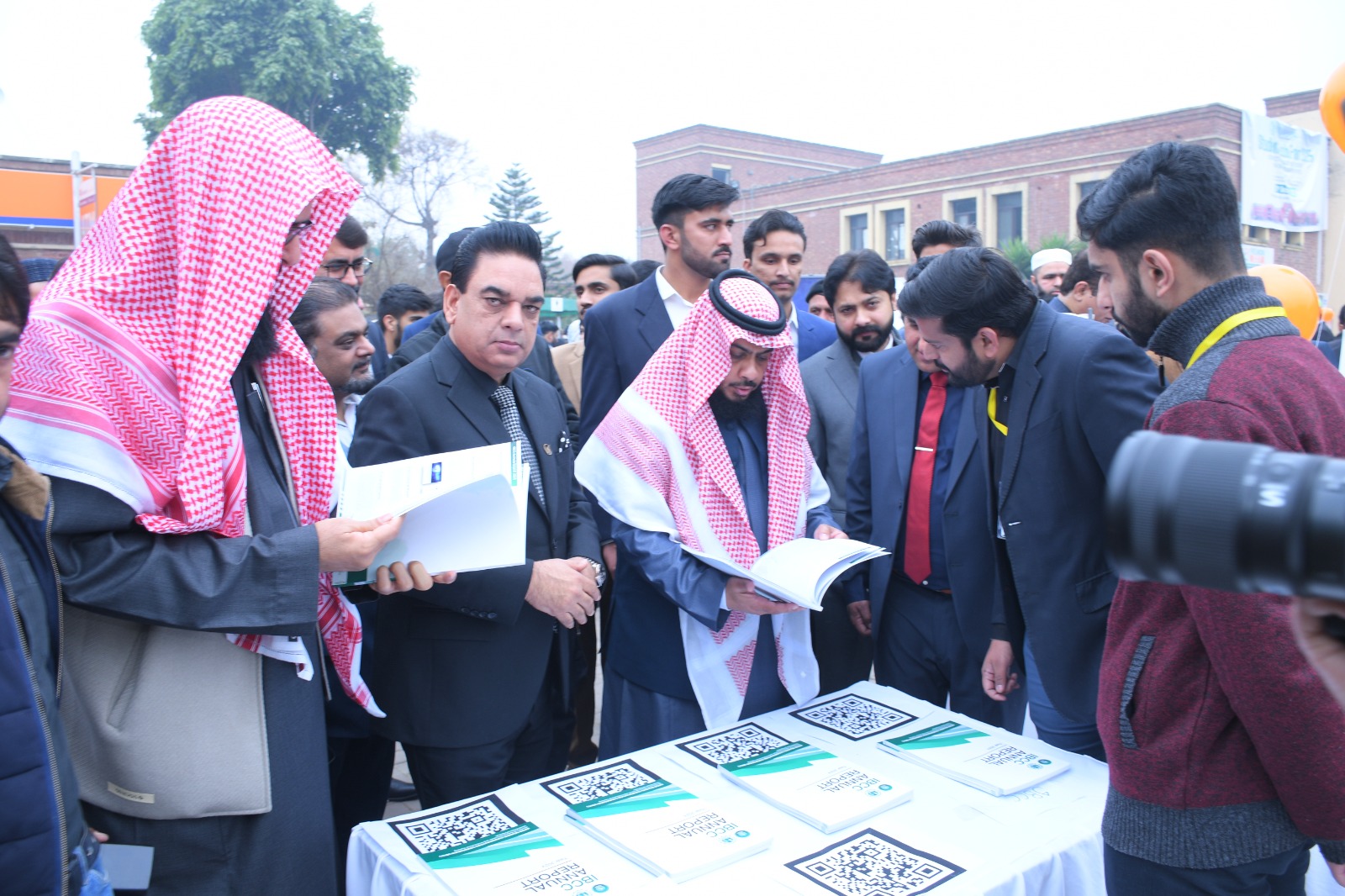
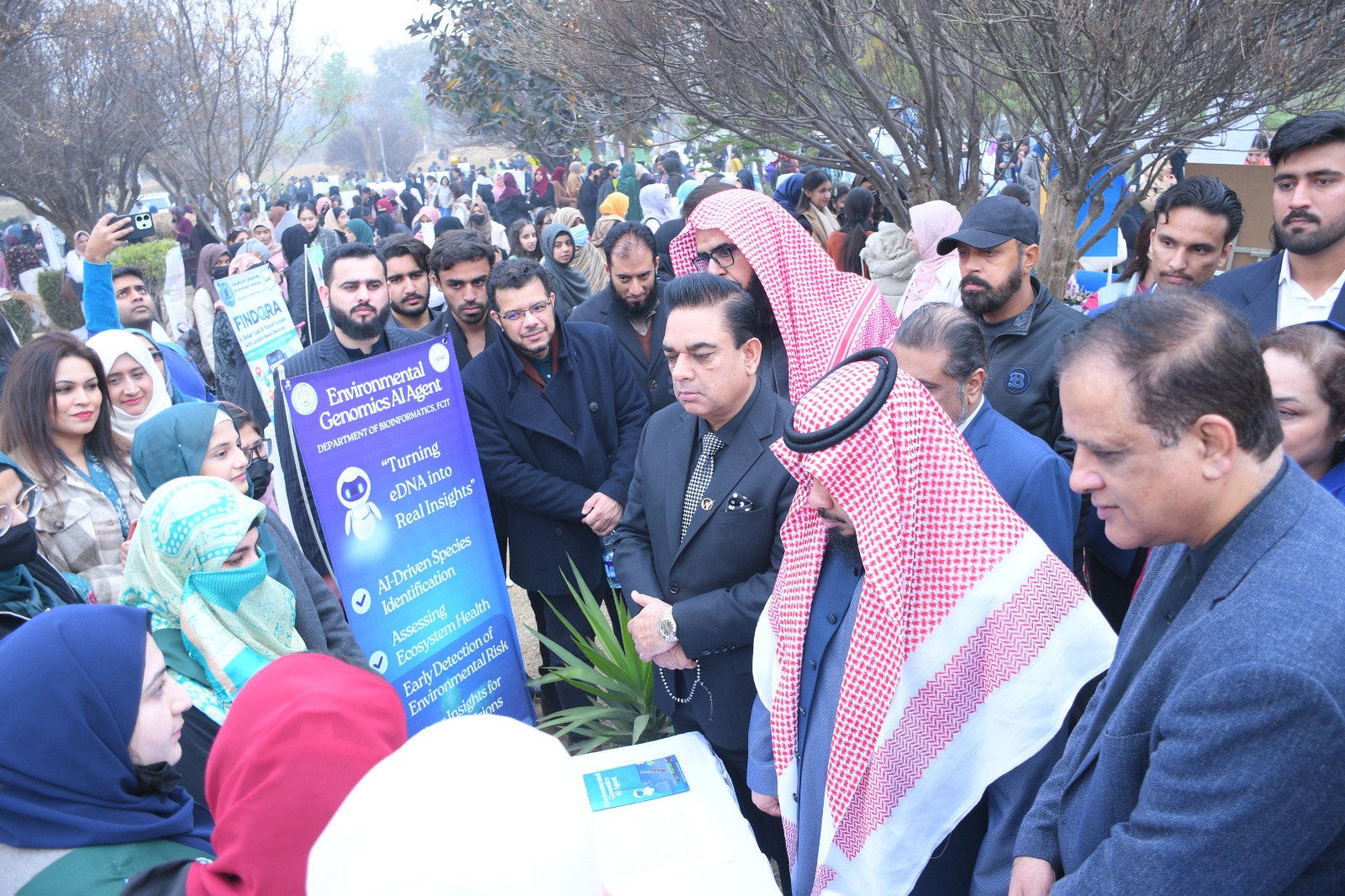
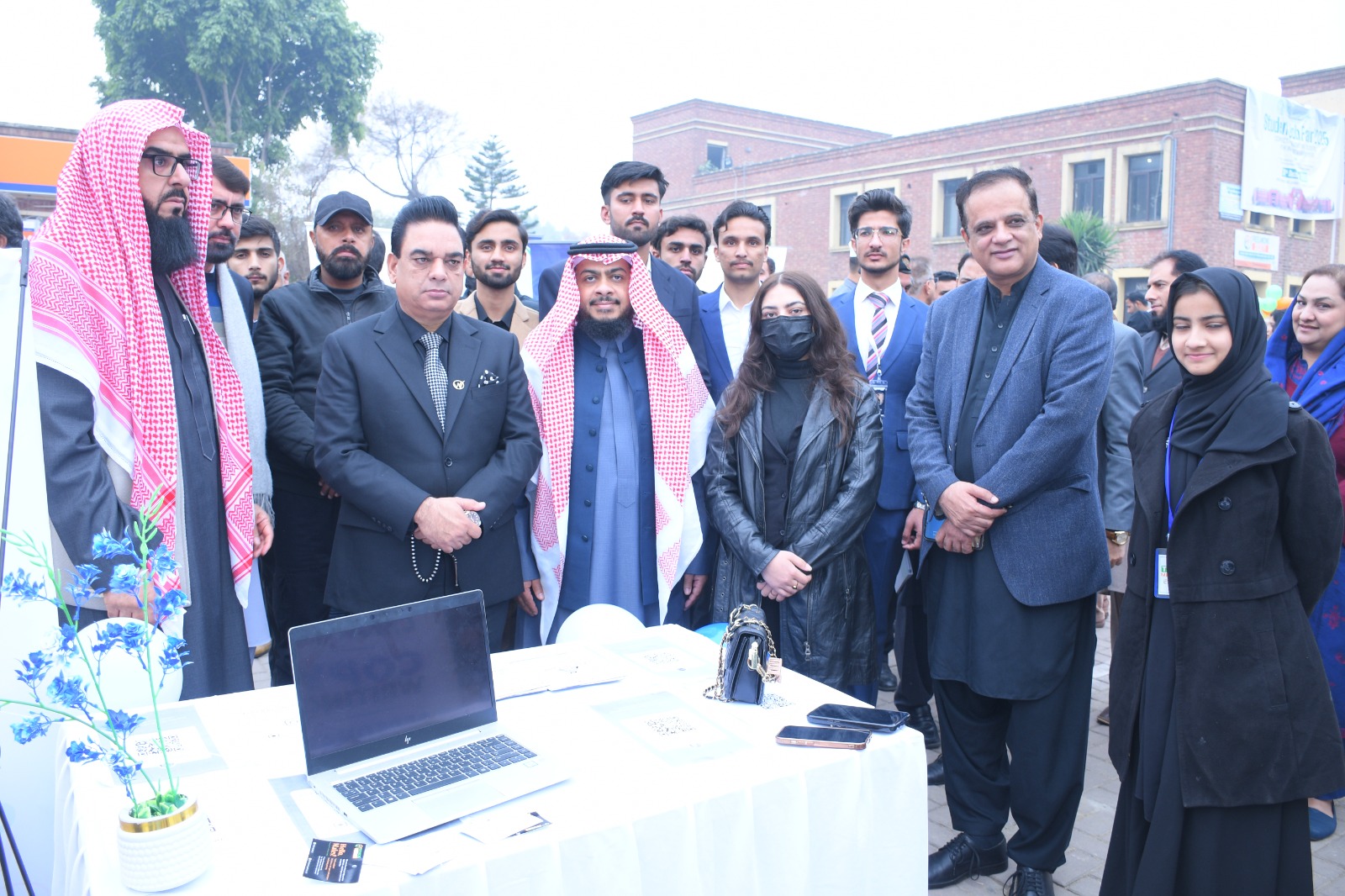
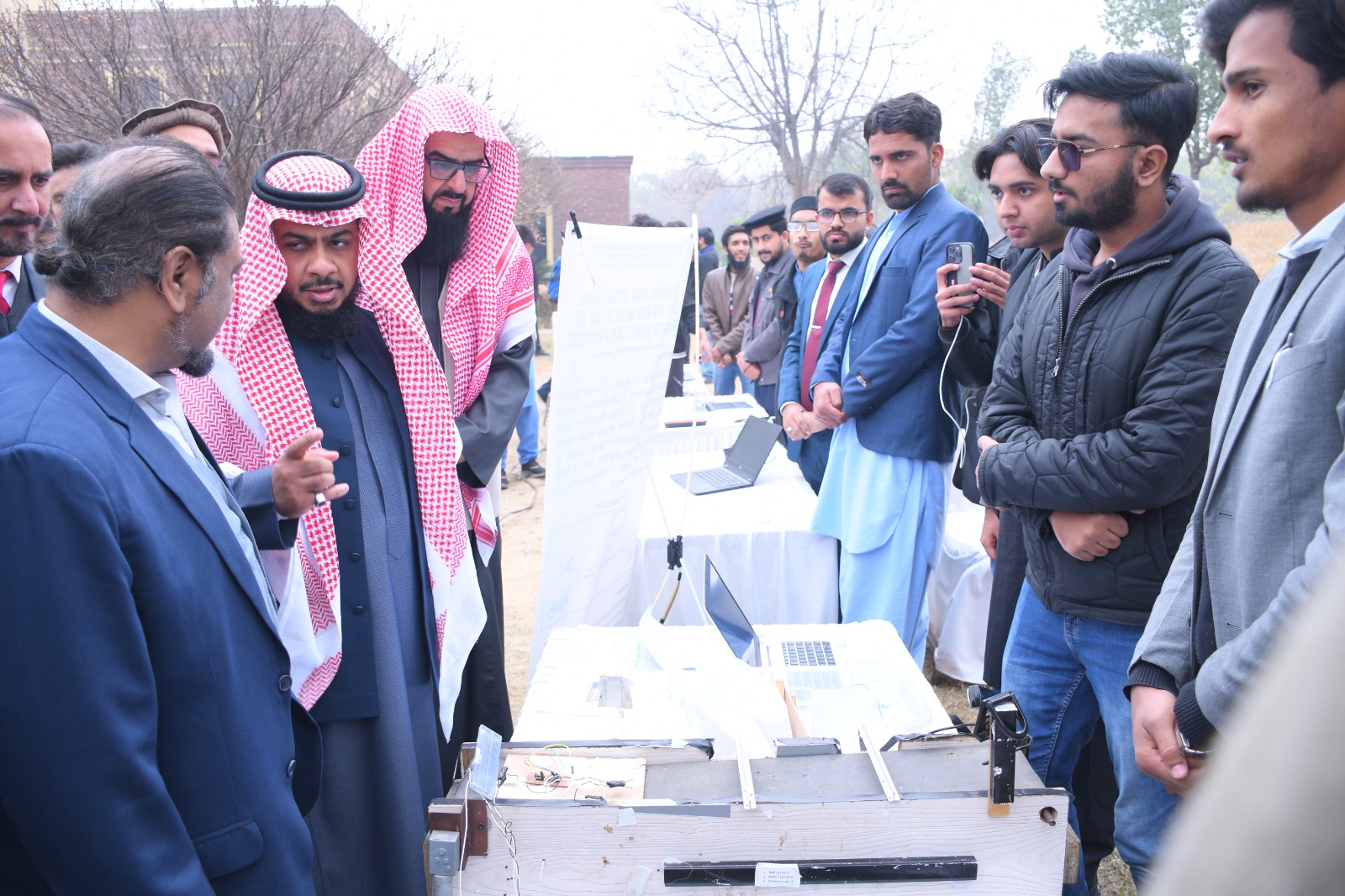
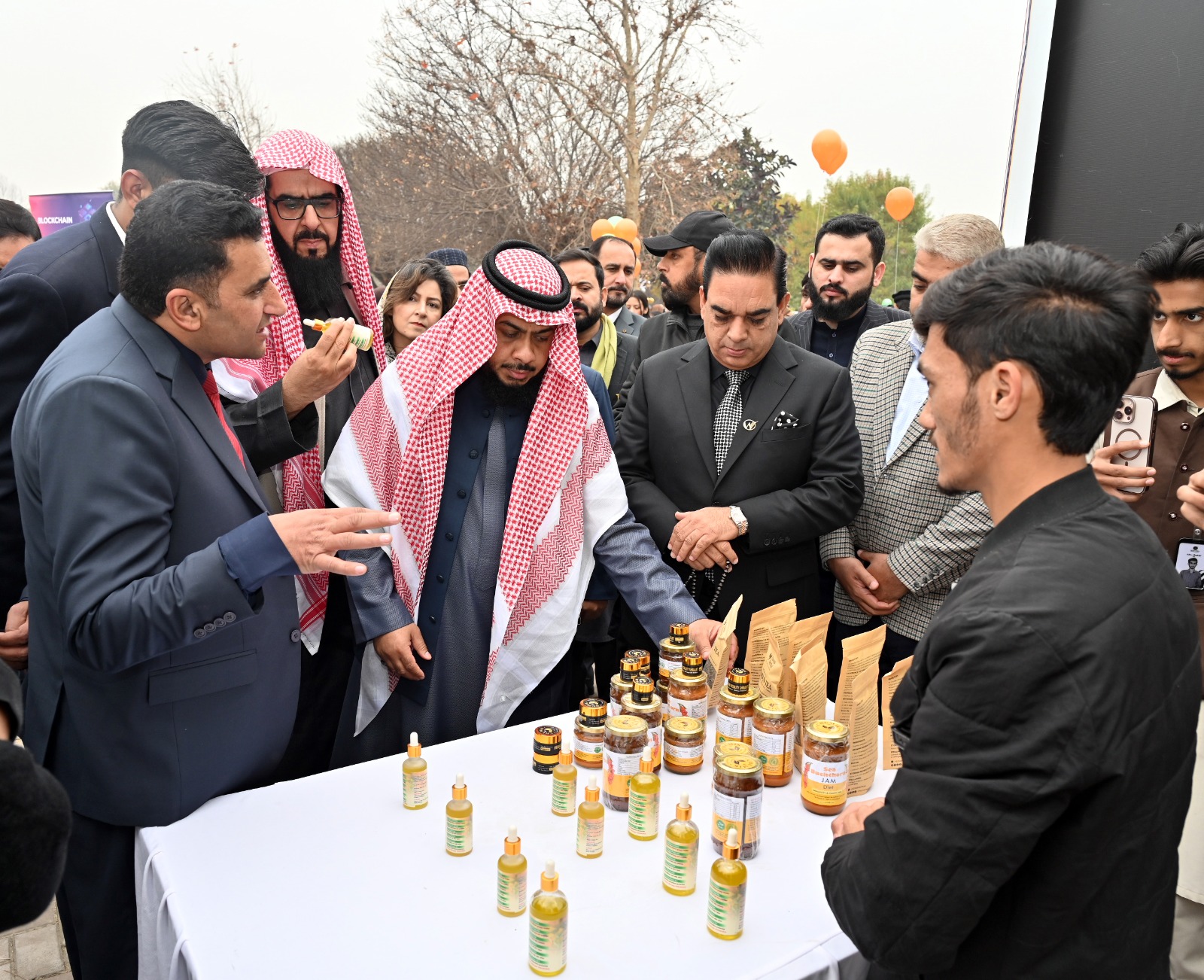
Following the inauguration, Prof. Dr. Ahmed Saad Alahmed, along with President ICCI and other delegates, visited faculty-wise segregated stalls and appreciated the organized arrangements, practical orientation of displays, and active engagement of students and faculty members.
The closing session featured a prize and certificates distribution ceremony, which was graced by Prof. Dr. Ahmed Saad Alahmed, President IIUI. Certificates and prizes were awarded to participating students, organizers, and contributors in recognition of their efforts and performance during the job fair.
Job Fair 2025 reflected IIUI’s broader vision of fostering applied research, innovation-driven learning, entrepreneurship, and enhanced student employability, while preparing graduates for meaningful contributions to national development.