

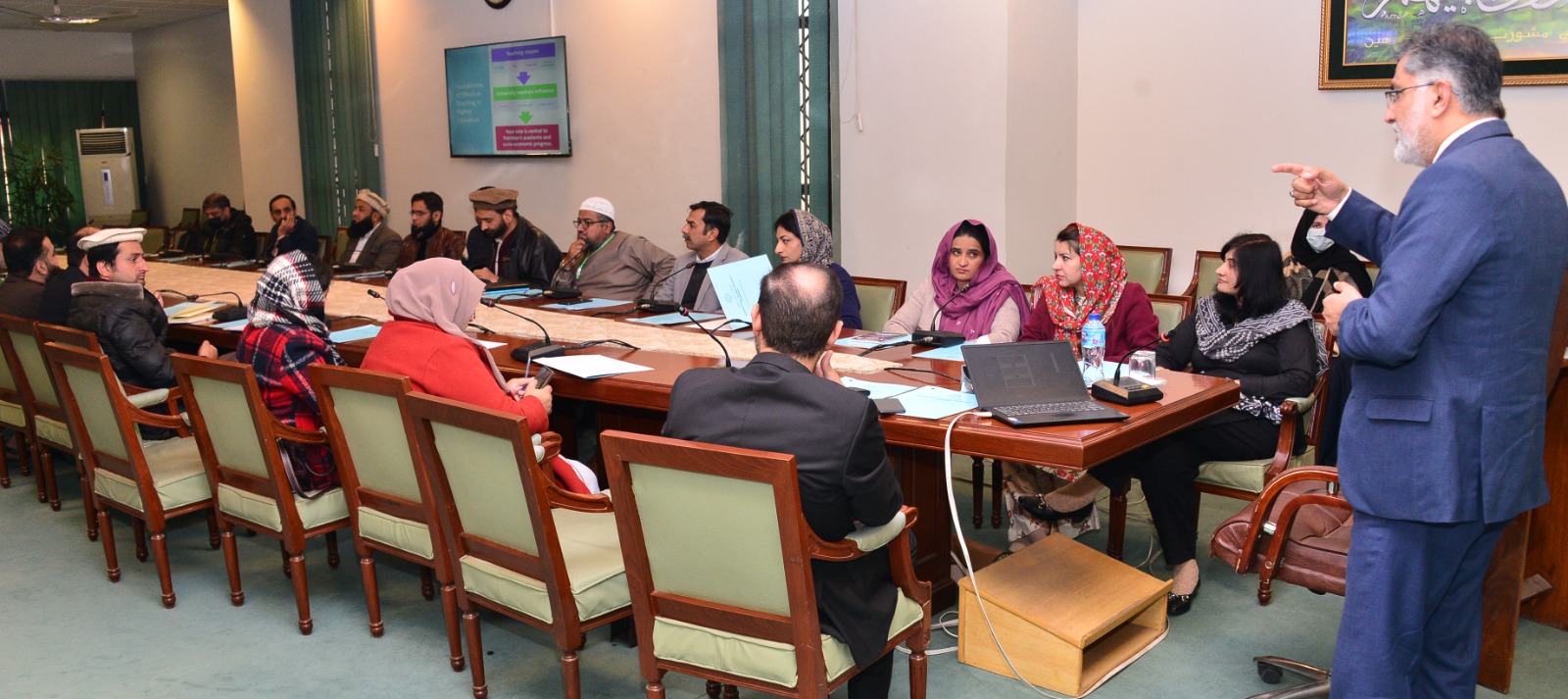
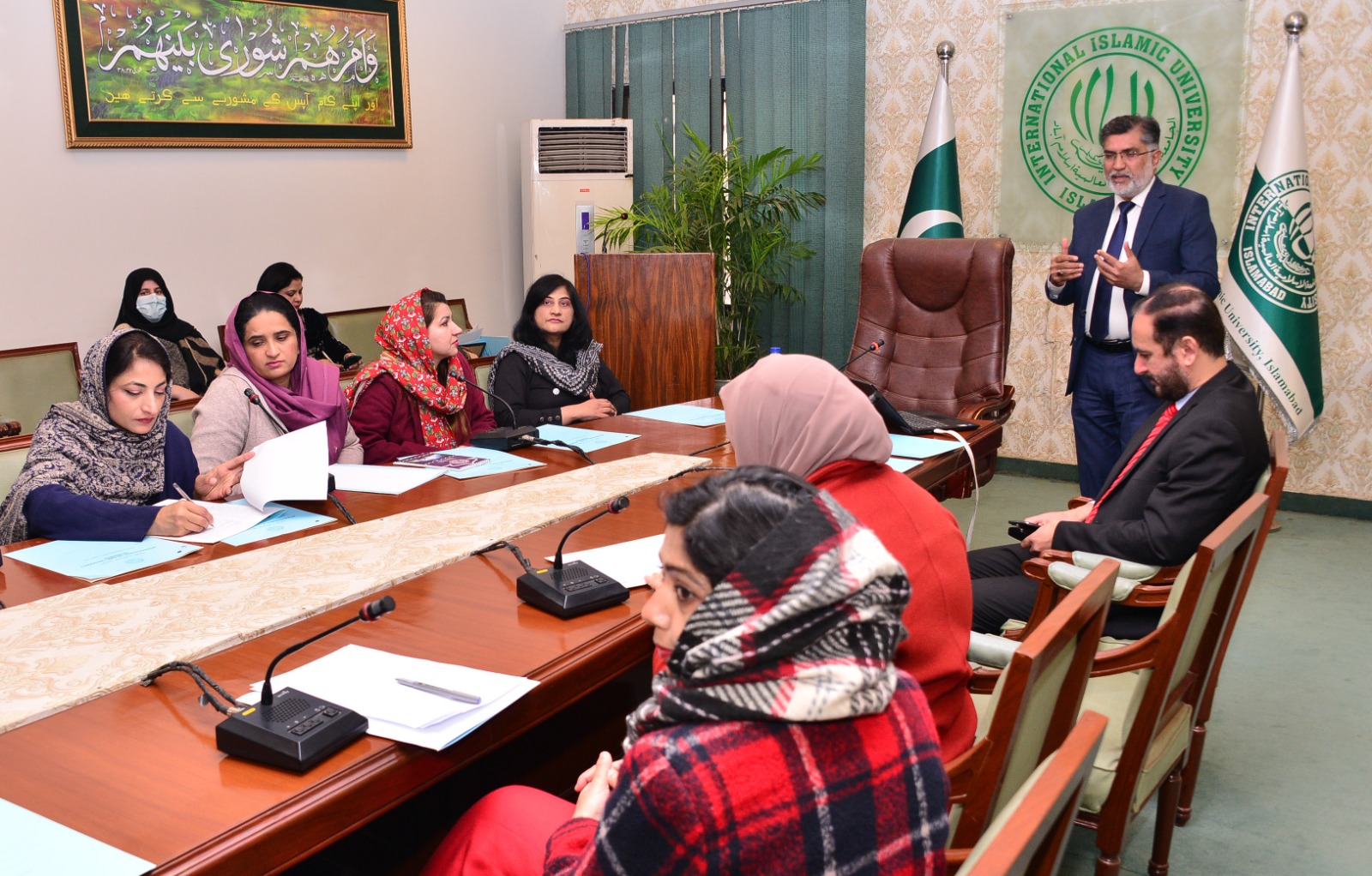
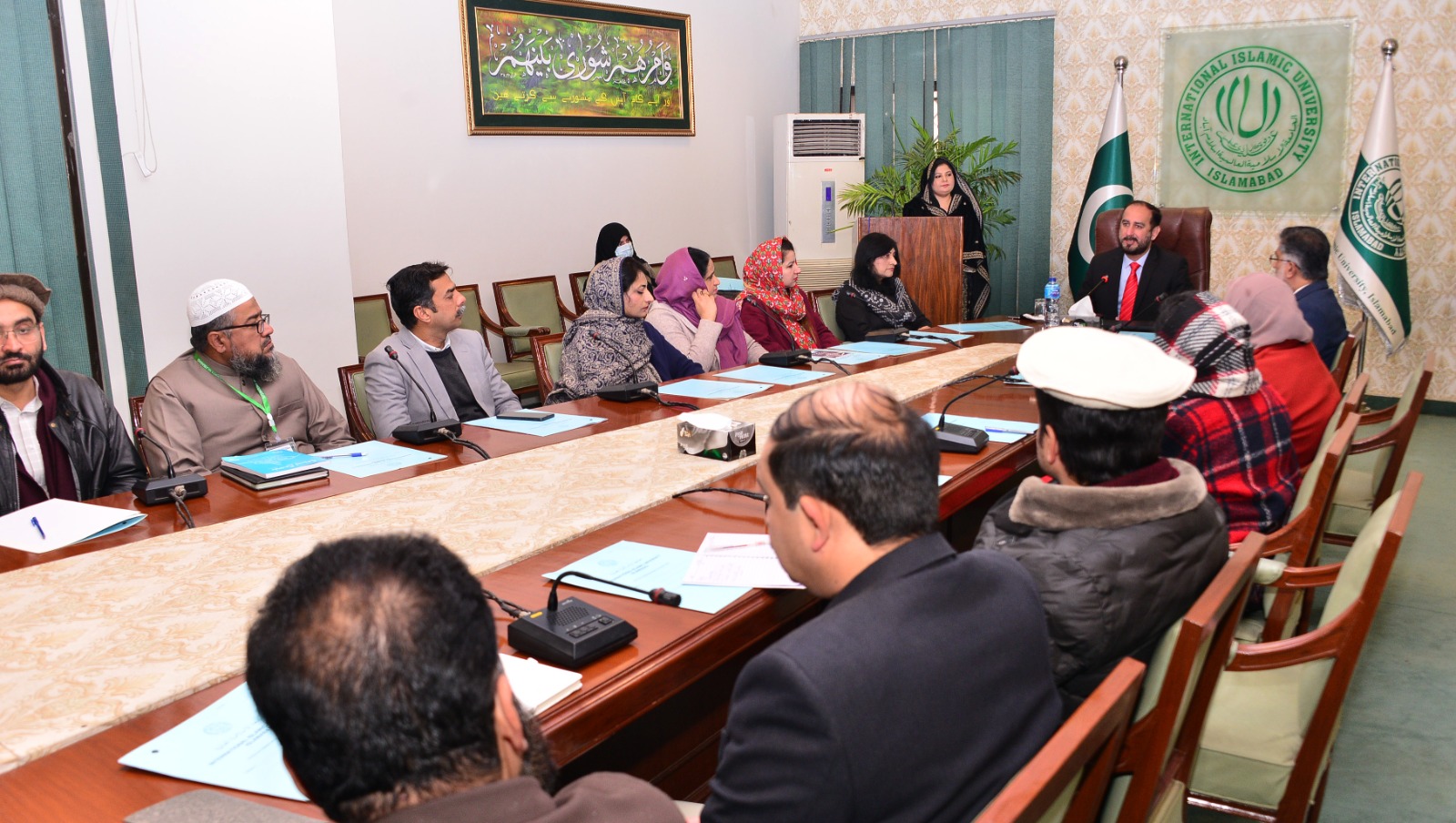
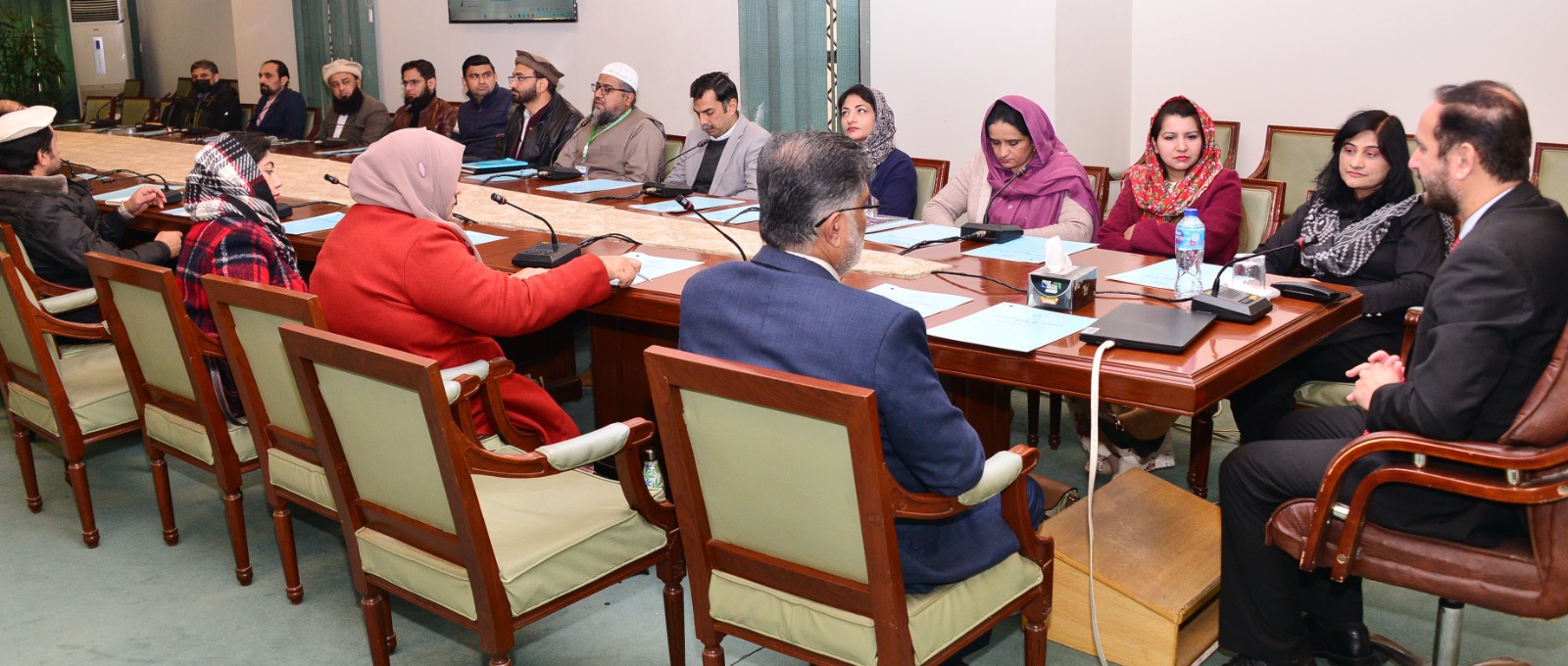
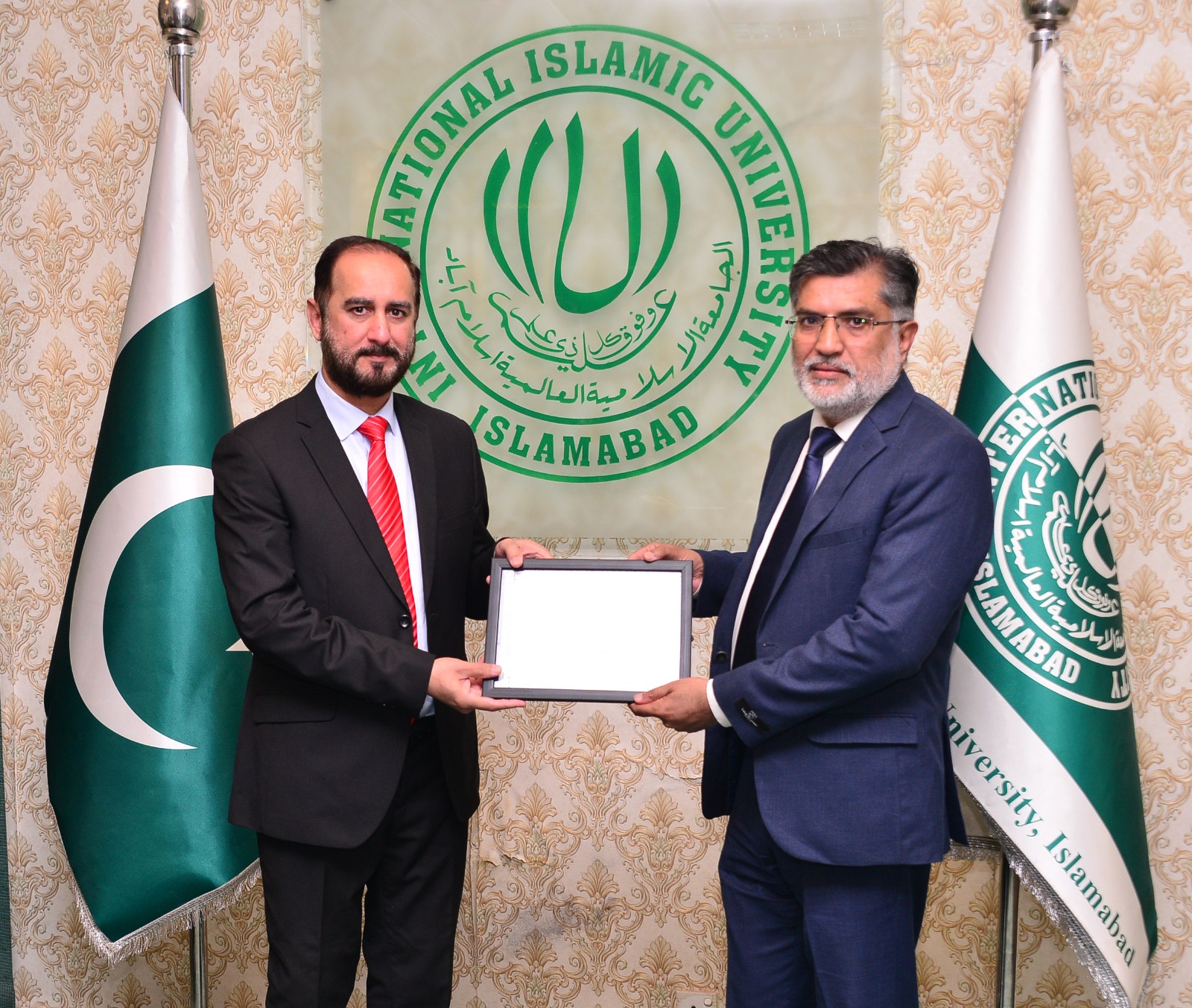
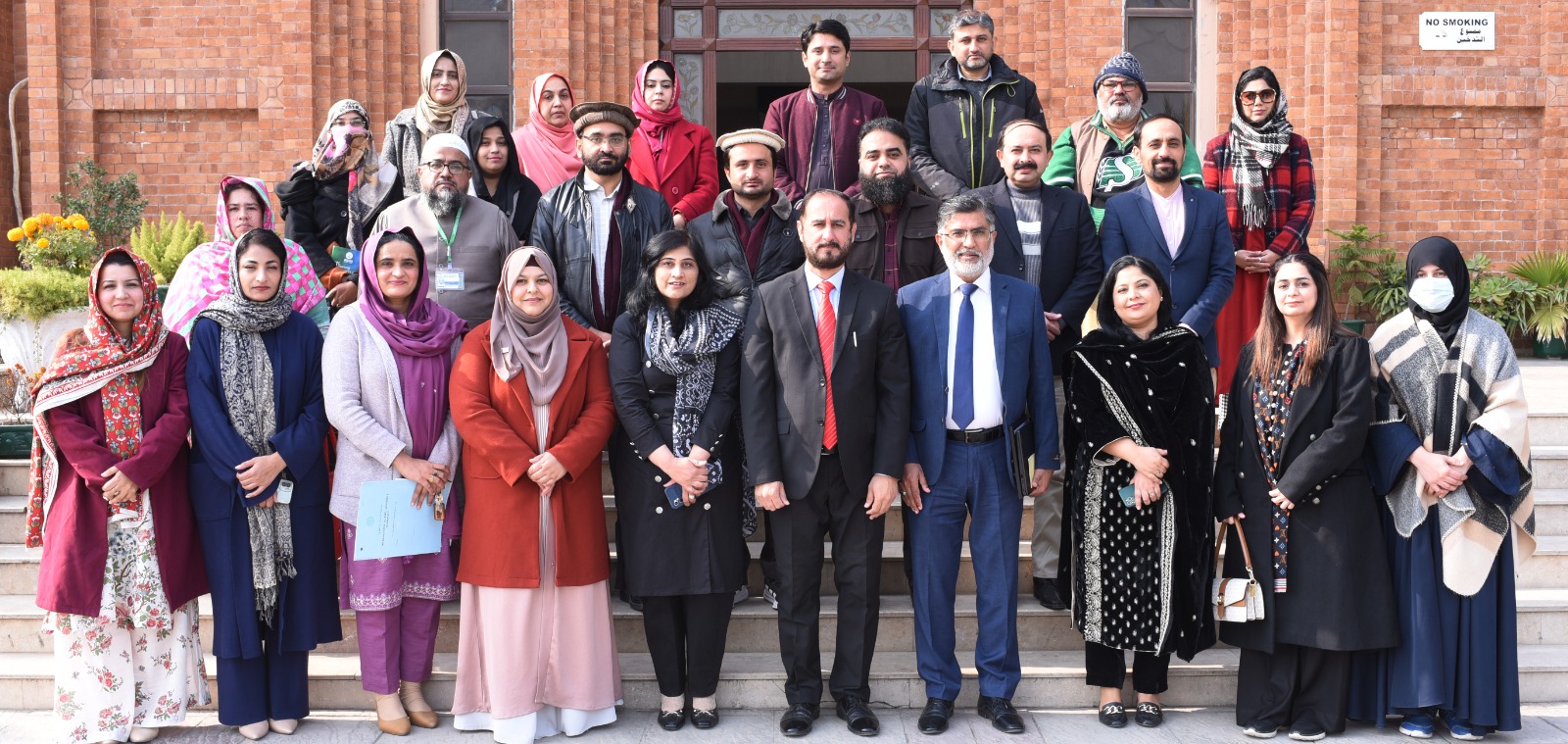
The IIUI Future Leaders Training Program for Lecturers and Teaching Research Associates formally launched at the International Islamic University Islamabad. The program has been structured into three phases to ensure systematic and meaningful professional growth. It aims to strengthen foundational academic skills, develop leadership capacity, enhance digital awareness, promote advanced research competence, and prepare faculty members for effective institutional contribution in alignment with the mission and core values of IIUI.
Phase I, launched today, focuses on academic excellence and professional development. While addressing the opening ceremony, Prof. Dr. Abdul Raheman, Vice President Academics, highlighted the strategic importance of faculty capacity building and noted the significant increase in capacity building programs organized by the university for all employees. He lauded the dedicated efforts of Dr. Ahmed Shuja Syed in planning a comprehensive series of leadership development programs for faculty during the first half of the year 2025 and stated that the current program is part of this ongoing initiative.
Prof. Dr. Abdul Raheman emphasized the importance of continuous professional training and shared that the university is actively working to further enhance the number of such initiatives. He mentioned that students are increasingly inclined towards artificial intelligence and stressed that faculty members must not only impart knowledge and skills but also give due attention to the personal grooming and character building of students. He added that such programs serve as a refresher and equip participants with an understanding of current and emerging trends in the professional landscape. He encouraged participants to actively engage in the training sessions and highlighted that the program modules are directly aligned with their job responsibilities.
The first session convened by Dr. Muneer Ahmed Mirjat, Director NAHE, Higher Education Commission. Dr Mirjat has over twenty years of experience in the higher education sector and has contributed extensively to higher education governance, quality assurance, and regulatory frameworks. His session focused on effective pedagogy and provided an exploration of contemporary teaching strategies, instructional techniques, and practical tools. The session emphasized innovative approaches to enhance classroom engagement, improve learning outcomes, and support faculty in delivering high quality instruction aligned with modern academic and professional standards. The session also emphasized understanding student engagement and motivation, with a focus on identifying learners’ needs, fostering active participation, and applying evidence-based strategies to enhance interest, commitment, and overall academic performance.
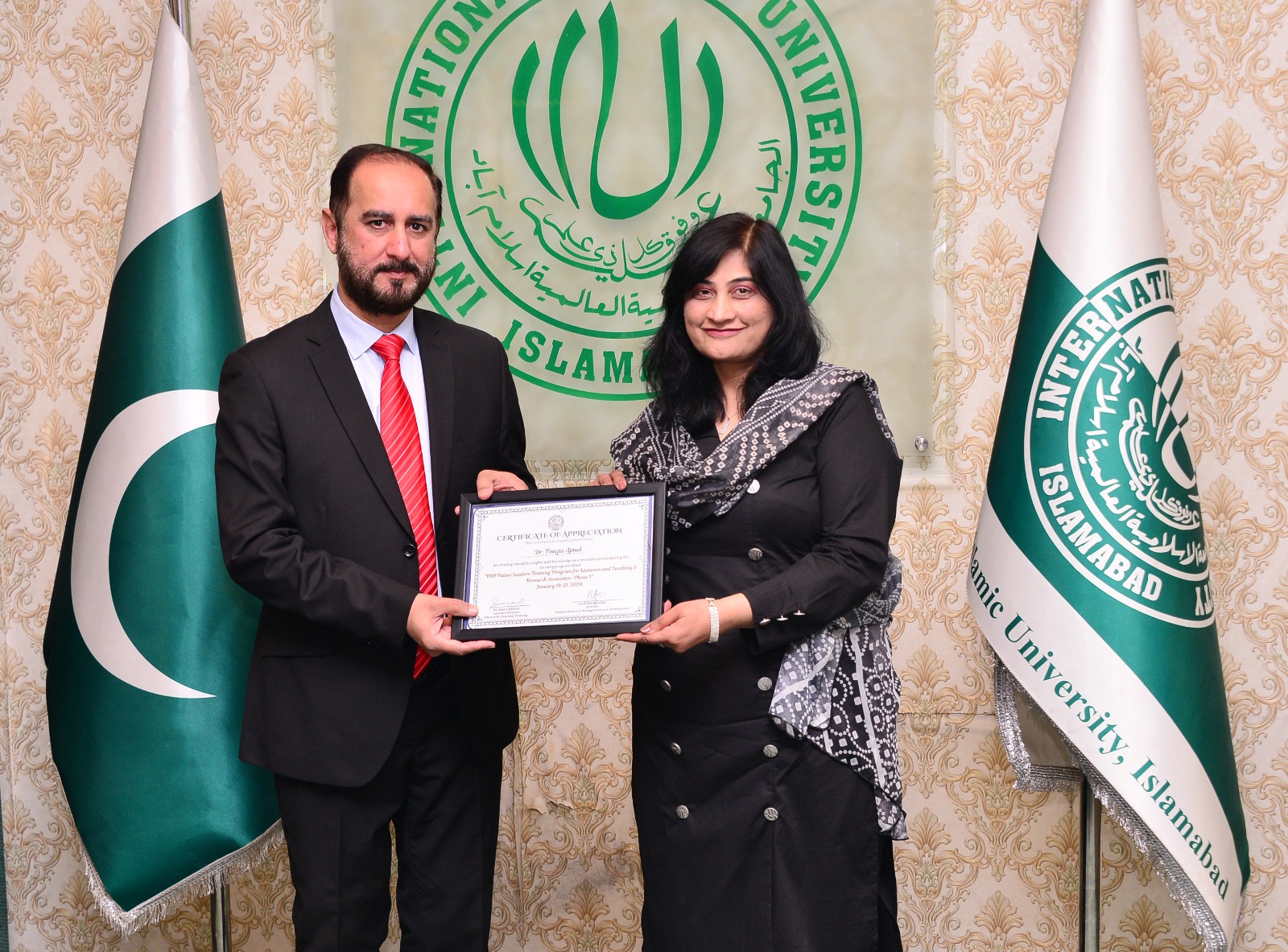
The second session focused on integrating the university vision into teaching practices and curricula, along with assessment and evaluation strategies for student learning. The session was conducted by Dr. Fouzia Ajmal, Assistant Professor, Faculty of Education. Dr. Fouzia Ajmal also serves as Incharge of Academic Affairs at the Faculty of Education and as a Consultant at the Institute of Professional Development, IIUI.
The session highlighted the integration of the university’s vision into teaching practices and curricular design, ensuring alignment with institutional values and academic goals. It also focused on assessment and evaluation strategies for student learning, emphasizing outcome-based assessments, meaningful feedback mechanisms, and the use of diverse evaluation tools to effectively measure student understanding, skills development, and overall academic progress.