

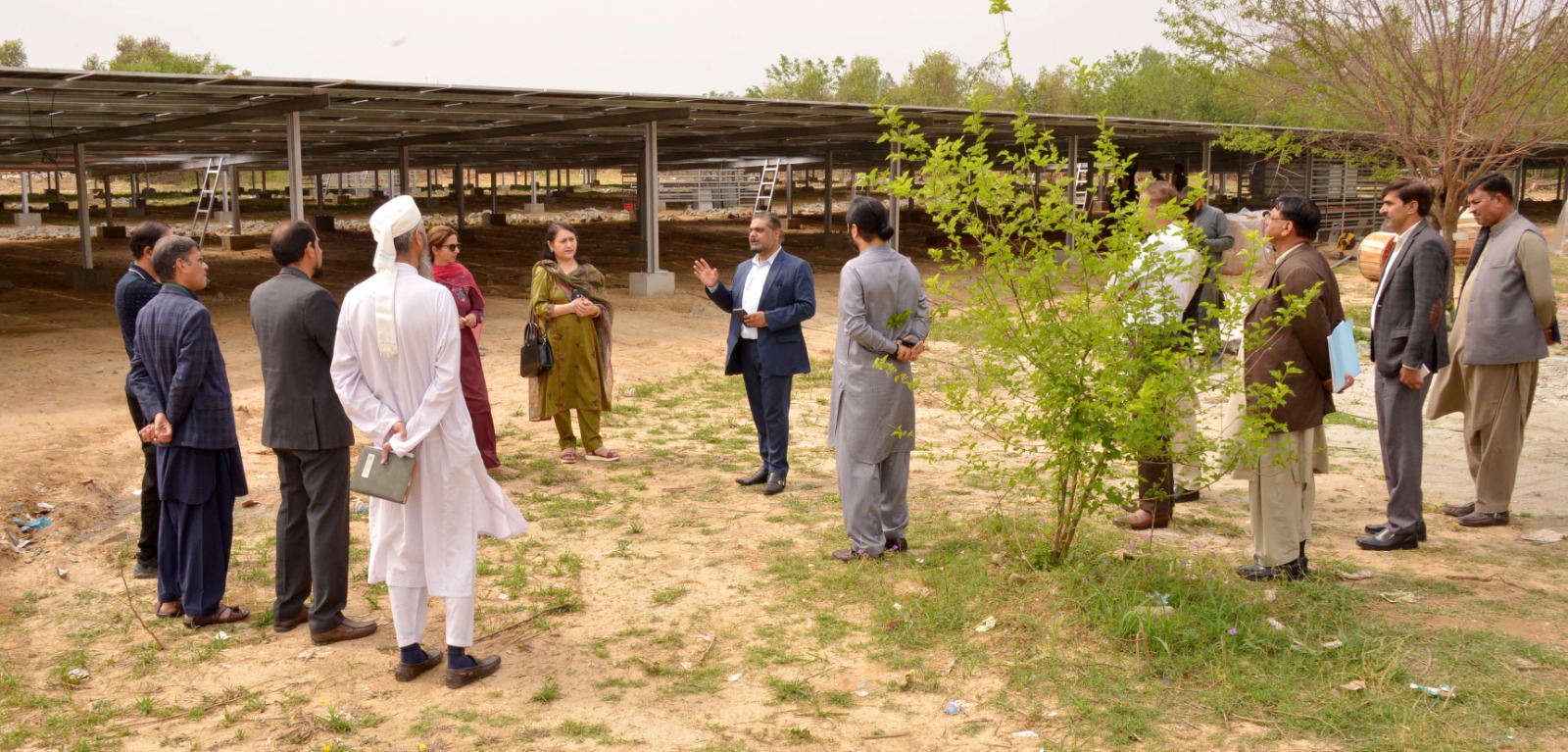
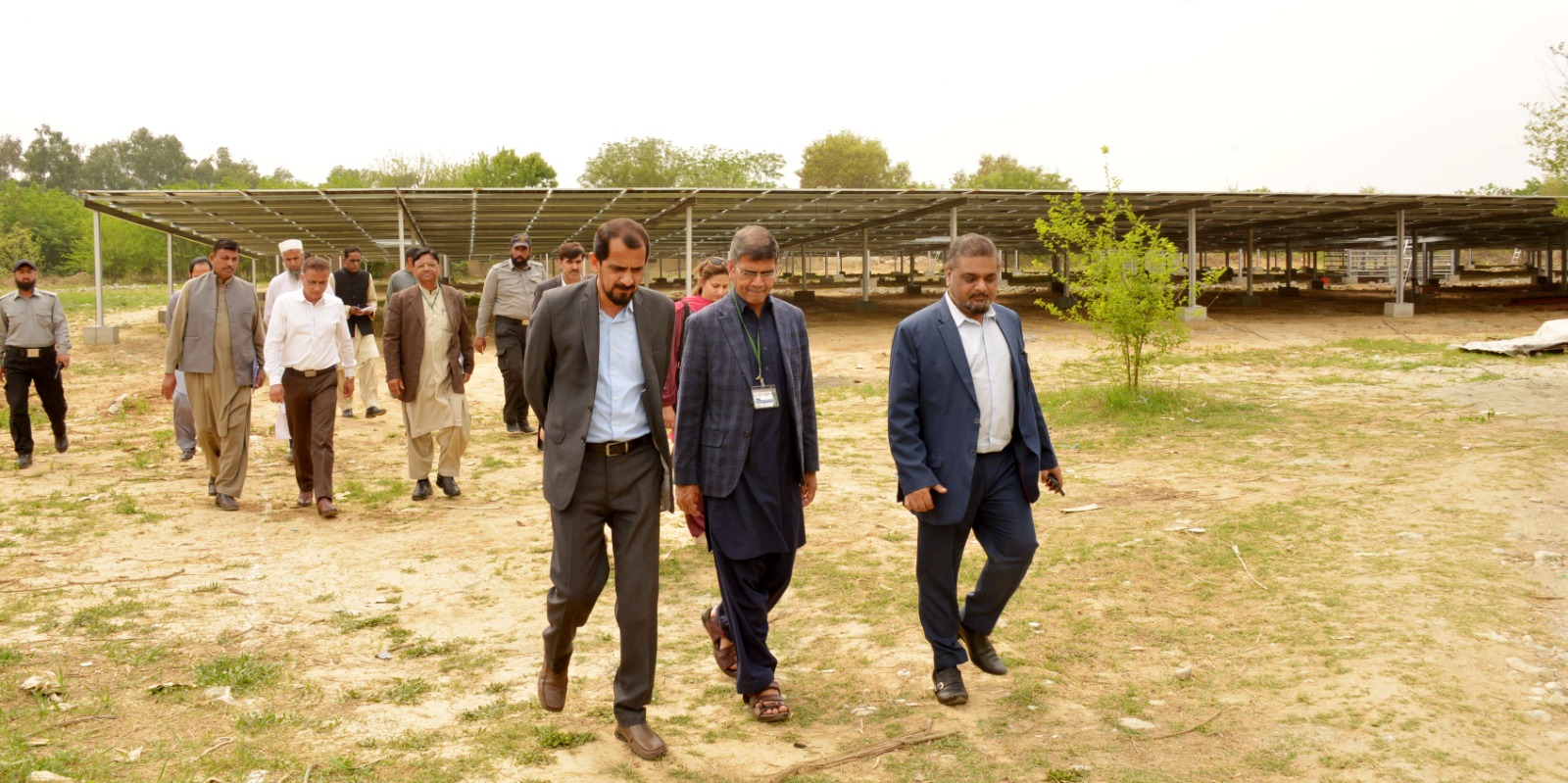
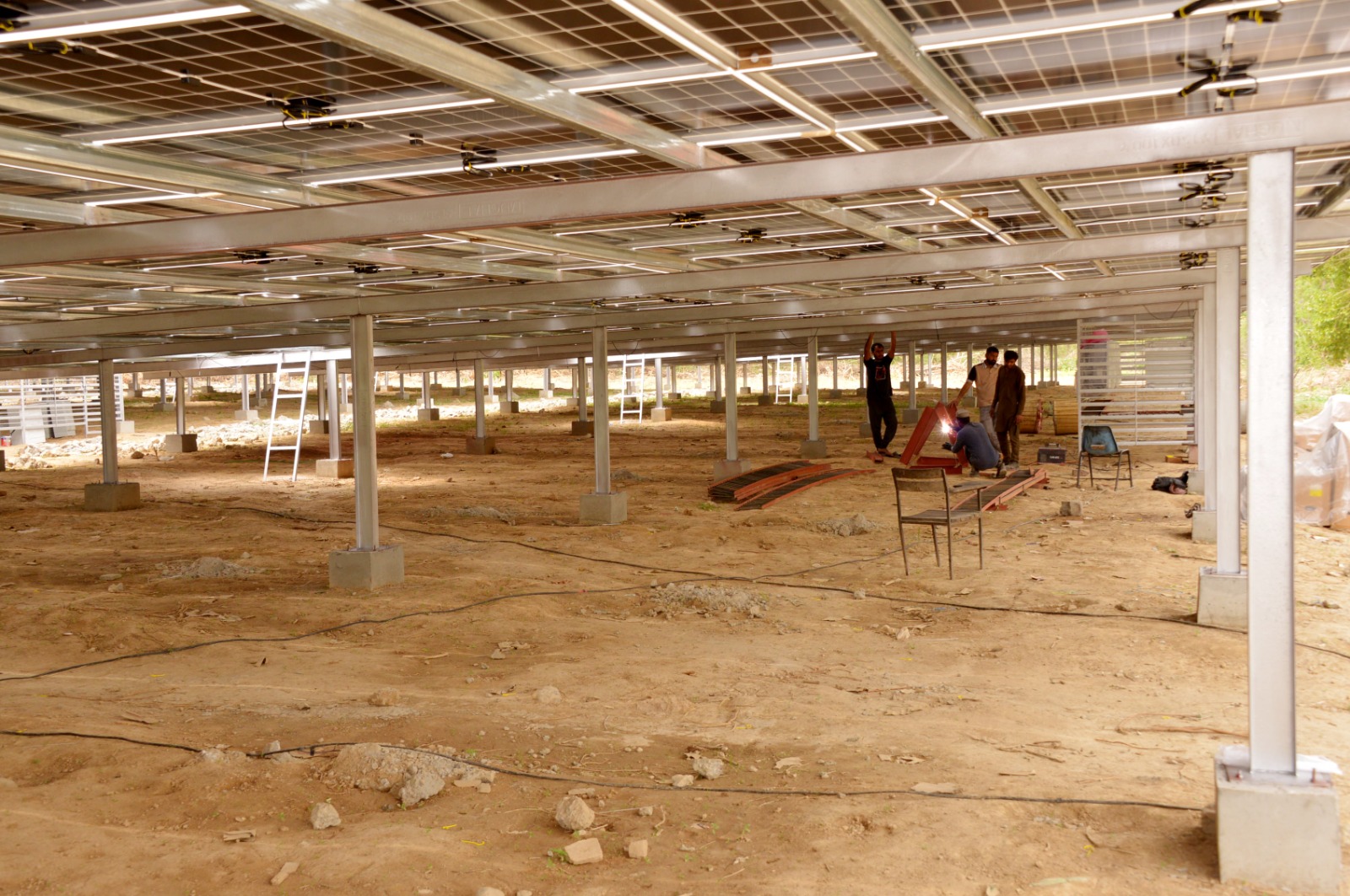
 The International Islamic University Islamabad (IIUI) is taking a significant step toward sustainable energy solutions with the installation of a 1-megawatt solar power generation plant at its New Campus. The project, expected to be fully operational within a month, is set to reduce the university’s electricity expenses by one-third, marking a major milestone in IIUI’s efforts toward energy efficiency and environmental sustainability.
IIUI President Dr. Ahmed Shuja, visited the installation site to assess the progress. Speaking on the occasion, Dr. Shuja emphasized that the solar project is a long-term investment aimed at securing the university’s energy needs while promoting sustainability. He stated that IIUI is committed to setting an example for other academic institutions by integrating renewable energy solutions into campus infrastructure. However, he stressed the need for innovative thinking paradigms to support and expand such projects, urging faculty, researchers, and policymakers to explore new strategies, interdisciplinary collaborations, and industry partnerships to maximize the impact of sustainable energy in academic settings.
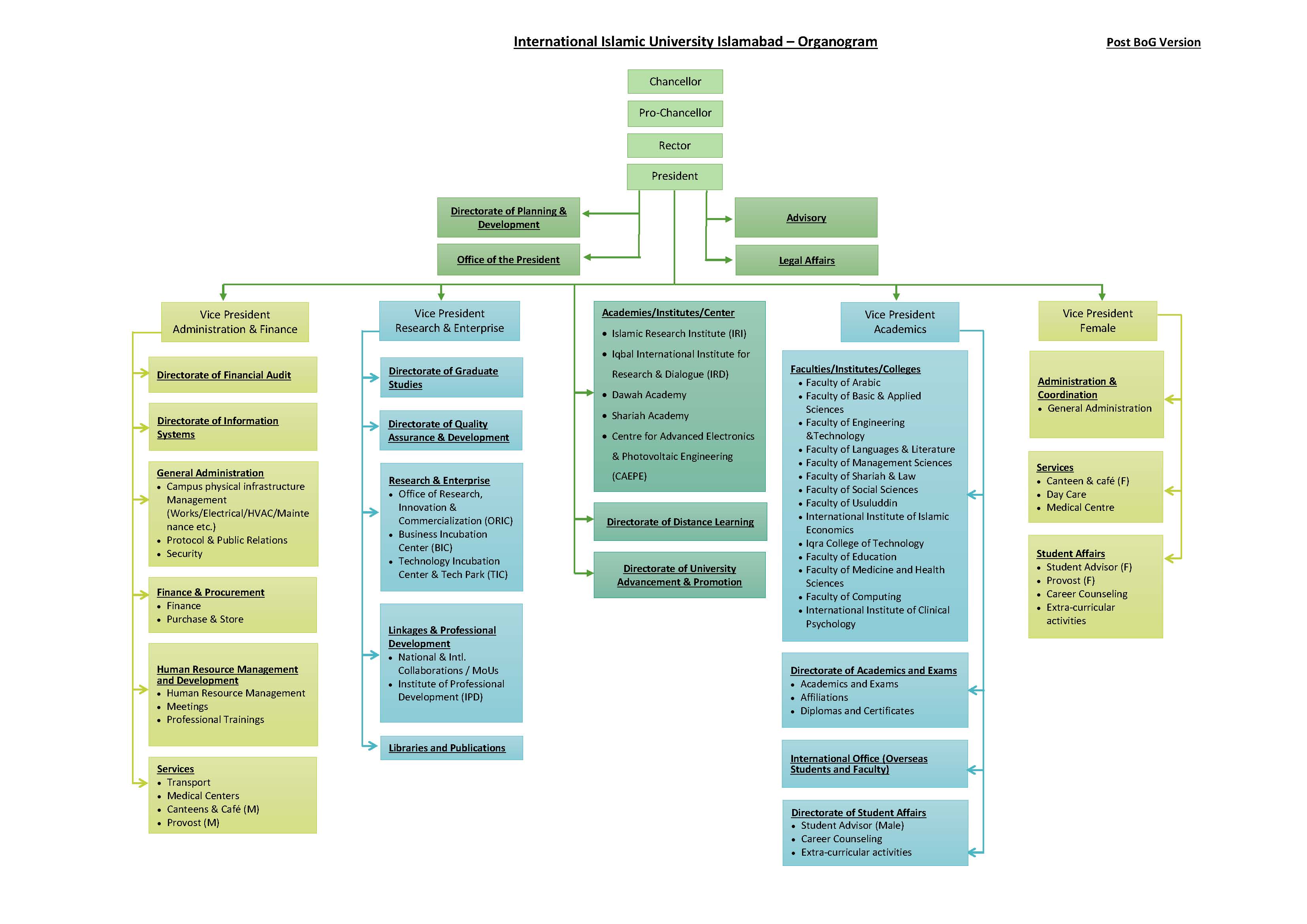
 The solar project is also being aligned with IIUI’s academic and research programs, engaging multiple faculties including the Department of Electrical Engineering (DEE), Department of Mechanical Engineering, Centre for Advanced Electronics & Photovoltaic Engineering (CAEPE), the Department of Physics (Faculty of Social Sciences), the Environmental Sciences Department, and the Office of Director Academics. This integration aims to foster research-oriented projects, structured solar energy courses, and departmental collaborations for effective renewable energy planning.
Dr. Shuja further highlighted the Iqra College of Technology as a key facility for advanced technological training. He proposed a business model for its expansion, emphasizing the need to equip the college with state-of-the-art technology to enhance academic learning and practical training in modern energy solutions.
During the visit, discussions also focused on expansion pathways and the adoption of a green campus model, reinforcing IIUI’s commitment to sustainability. Dr. Athar Waseem from the DEE, Faculty of Engineering & Technology (FET), elaborated on the project’s technical aspects and its future expansion potential.
 Dr. Shuja also announced that a PC-1 worth 2.7 billion rupees is set to be submitted to the Planning Commission of Pakistan to secure funding for IIUI’s development initiatives. The proposal includes provisions for infrastructure enhancement, technological advancements, and research-driven projects, aligning with IIUI’s vision for academic and institutional growth.
Concluding the visit, Dr. Shuja thanked the team and expressed optimism about the future of renewable energy integration at IIUI. He reiterated the university’s commitment to fostering a research-driven approach to sustainable energy solutions, ensuring that IIUI remains at the forefront of academic excellence and environmental responsibility.