

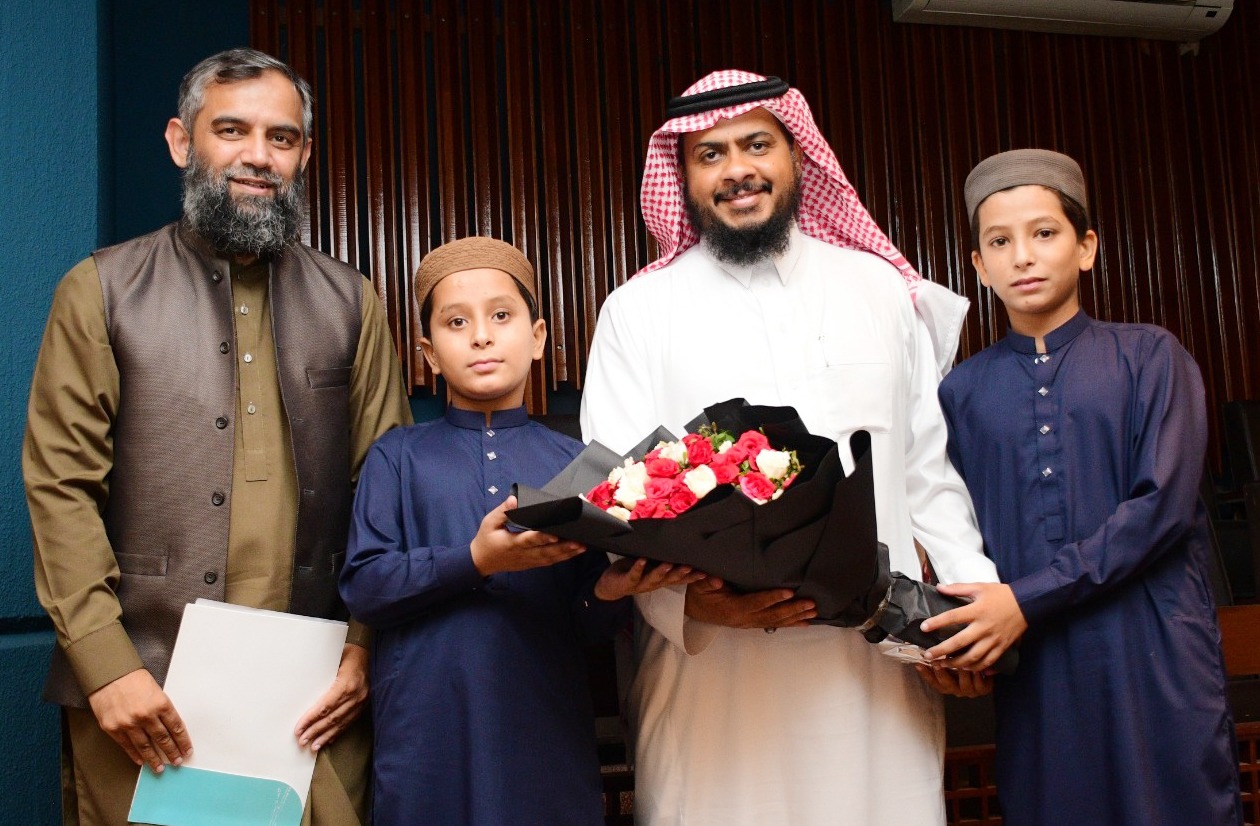
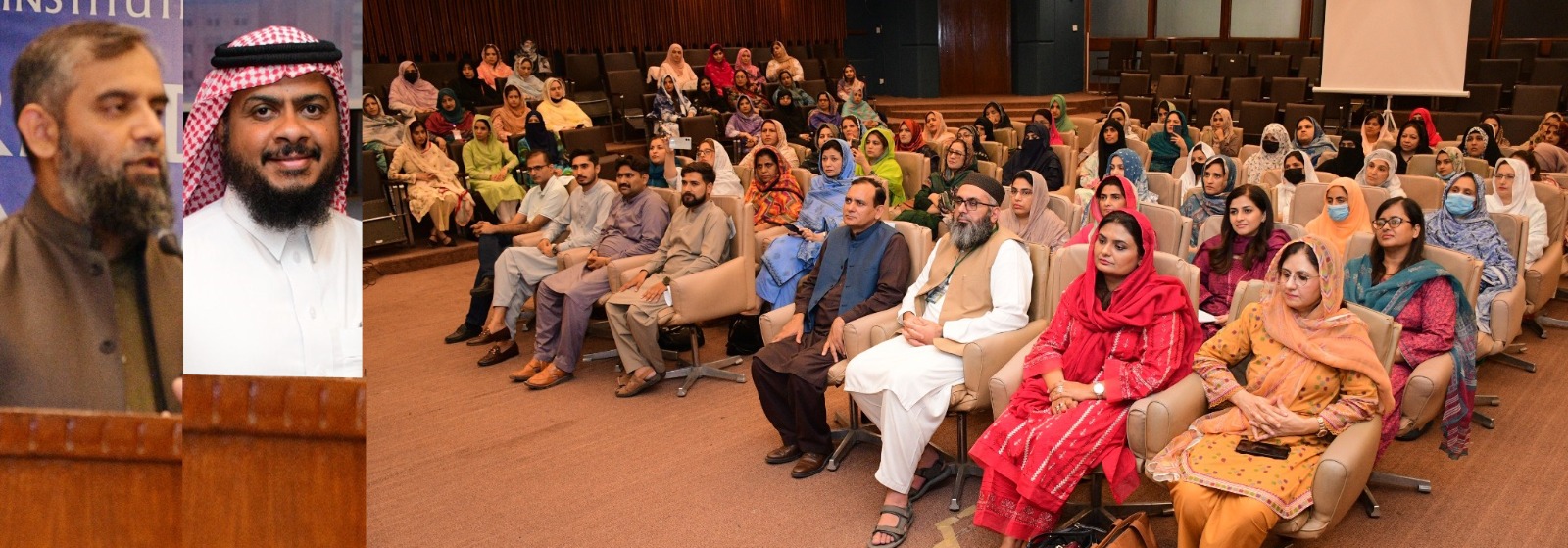
 The Institute of Professional Development (IPD) at the International Islamic University Islamabad (IIUI) concluded its flagship Future Educational Leader Training Program (FELTP) 2025 with a closing ceremony held at the Allama Iqbal Auditorium, Faisal Mosque Campus. The event marked the end of a five-day intensive training held from July 28 to August 1, bringing together over 20 school heads and educational leaders from IIUI Schools and other institutions.
 Under the theme “Leadership Excellence, Digital Innovation & School Improvement” the program was designed to prepare school leaders to navigate the evolving educational landscape through effective leadership, innovation, and values-driven strategies. The training focused on instructional supervision, ethical leadership, emotional wellbeing, resource management, AI integration in education, and school monitoring.
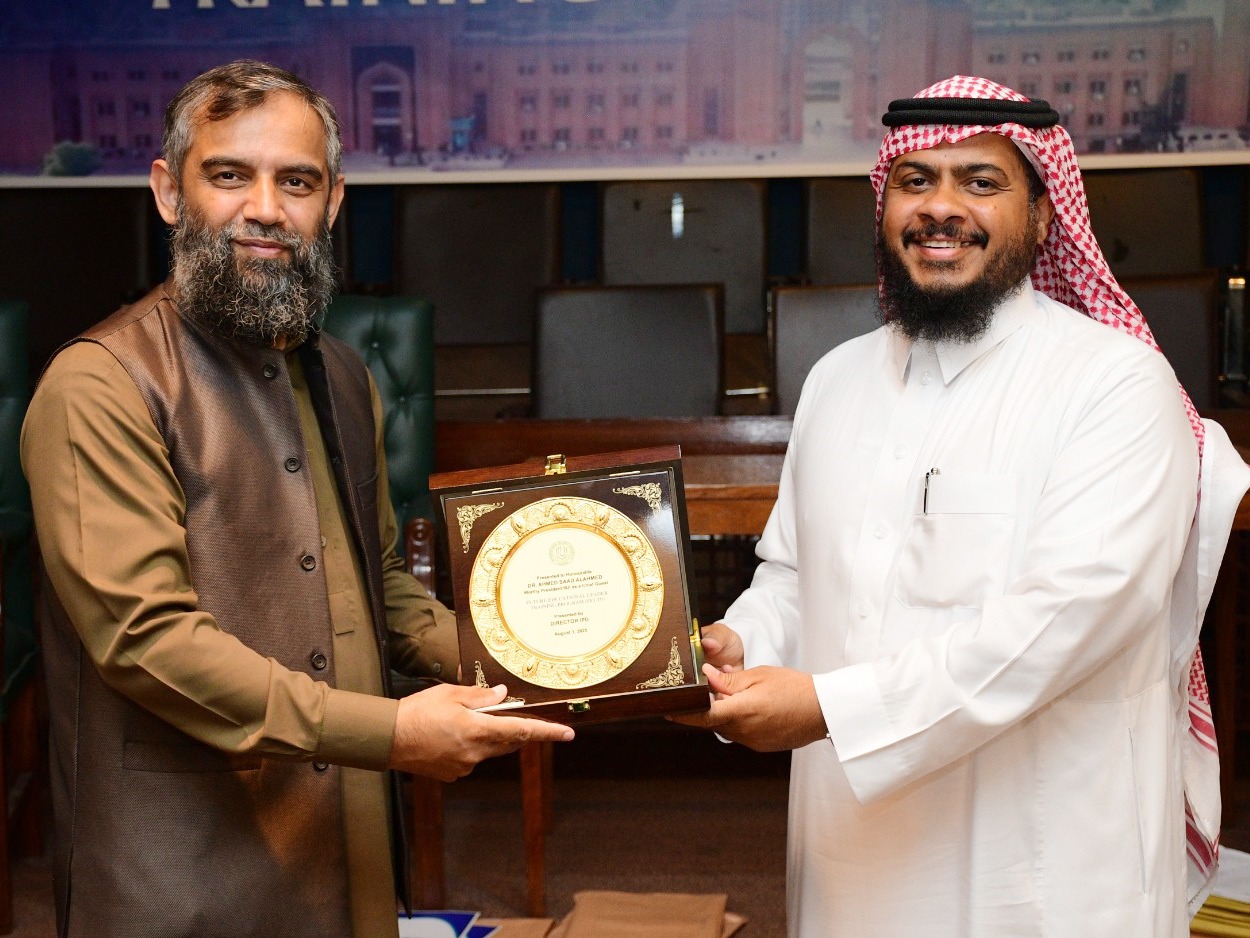 The ceremony was graced by the Chief Guest, President IIUI, Prof. Dr. Ahmed Saad Alahmed, who emphasized the importance of preparing educational leaders who are spiritually grounded and digitally competent. He appreciated IPD’s efforts and stressed the need to align school improvement strategies with both Islamic ethics and global best practices.
Director IPD, Prof. Dr. Nadeem Ahmed Sheikh, in his address, outlined the objectives of the training and highlighted the institute’s commitment to professional development across the IIUI education network. He described FELTP 2025 as more than a workshop — calling it a journey of self-discovery and renewal that empowers school leaders to become agents of change in service of the Ummah.
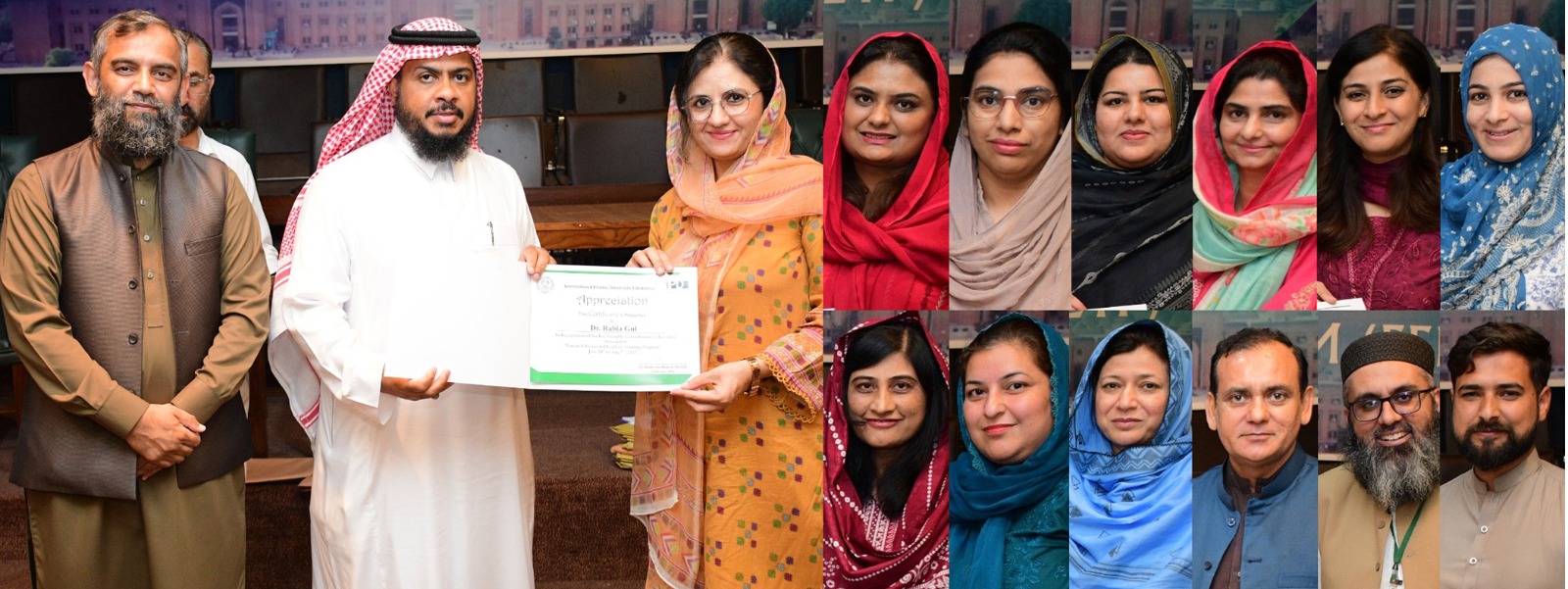
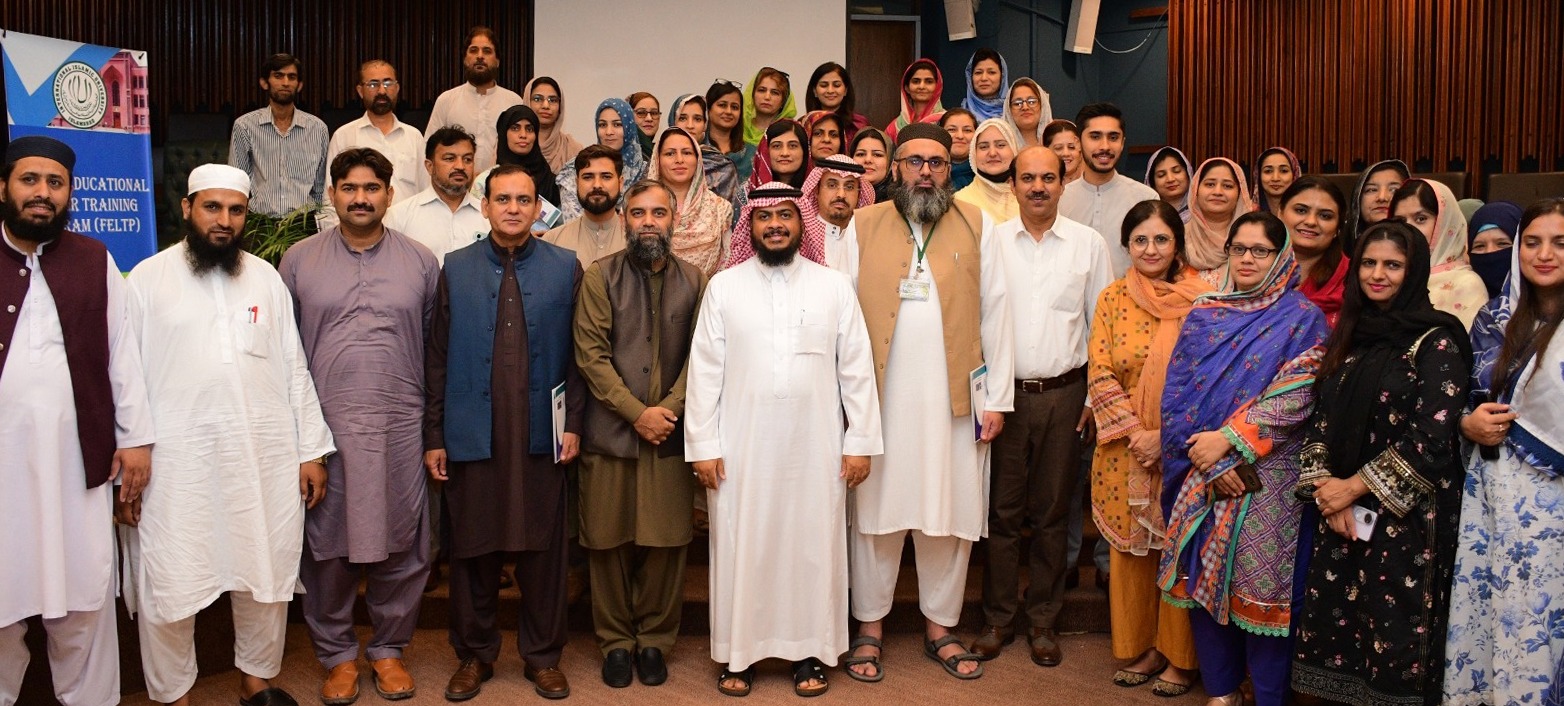 Dr. Fouzia Ajmal, IPD Consultant and Focal Person of the program, presented a detailed report on the workshop. She briefed the audience about the sessions, outcomes, and the collaborative learning experiences of the participants. She also acknowledged the support and input of the trainers, including Dr. Azhar Mahmood, Dr. Ali Tariq, Dr. Amat ul Rafi, Dr. Rabia Gul, Dr. Nazia Iqbal, Dr. Hameeda Akhtar, Dr. Kashif Sohail Malik, Mr. Waseem Ahmed, and Dr. Fouzia Ajmal herself, who facilitated sessions with insights grounded in educational theory and practice.
The program featured a Participant Reflection Segment, where selected attendees shared how the training transformed their approach to leadership and reignited their motivation to serve with renewed commitment and vision. Implementation in the school context, action planning, and addressing both challenges and opportunities in the system were core aspects of this reflection.
A special segment of the ceremony was dedicated to honouring long-serving staff members of IIUI Schools who have completed over a decade of service. These educators were recognized for their dedication and their lasting impact on student learning and institutional growth.
The training workshop also emphasized peer learning, as experiences were shared among trainers and participants. The event concluded with a collective appreciation of the vital role teachers play in the upbringing and education of future generations. Participants left with a reinforced sense of responsibility and a toolkit of actionable strategies to bring about meaningful improvements in their respective school environments.