

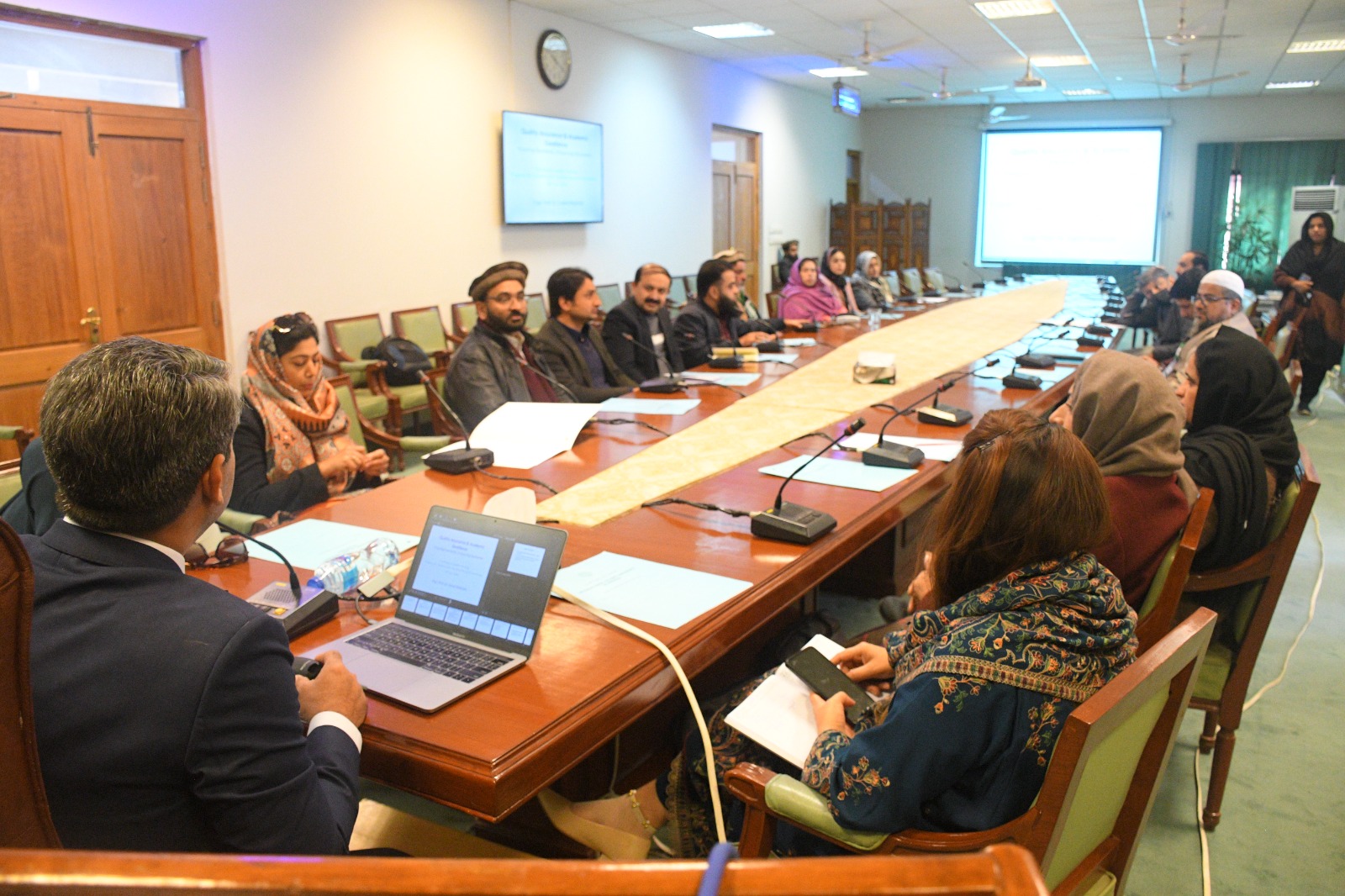
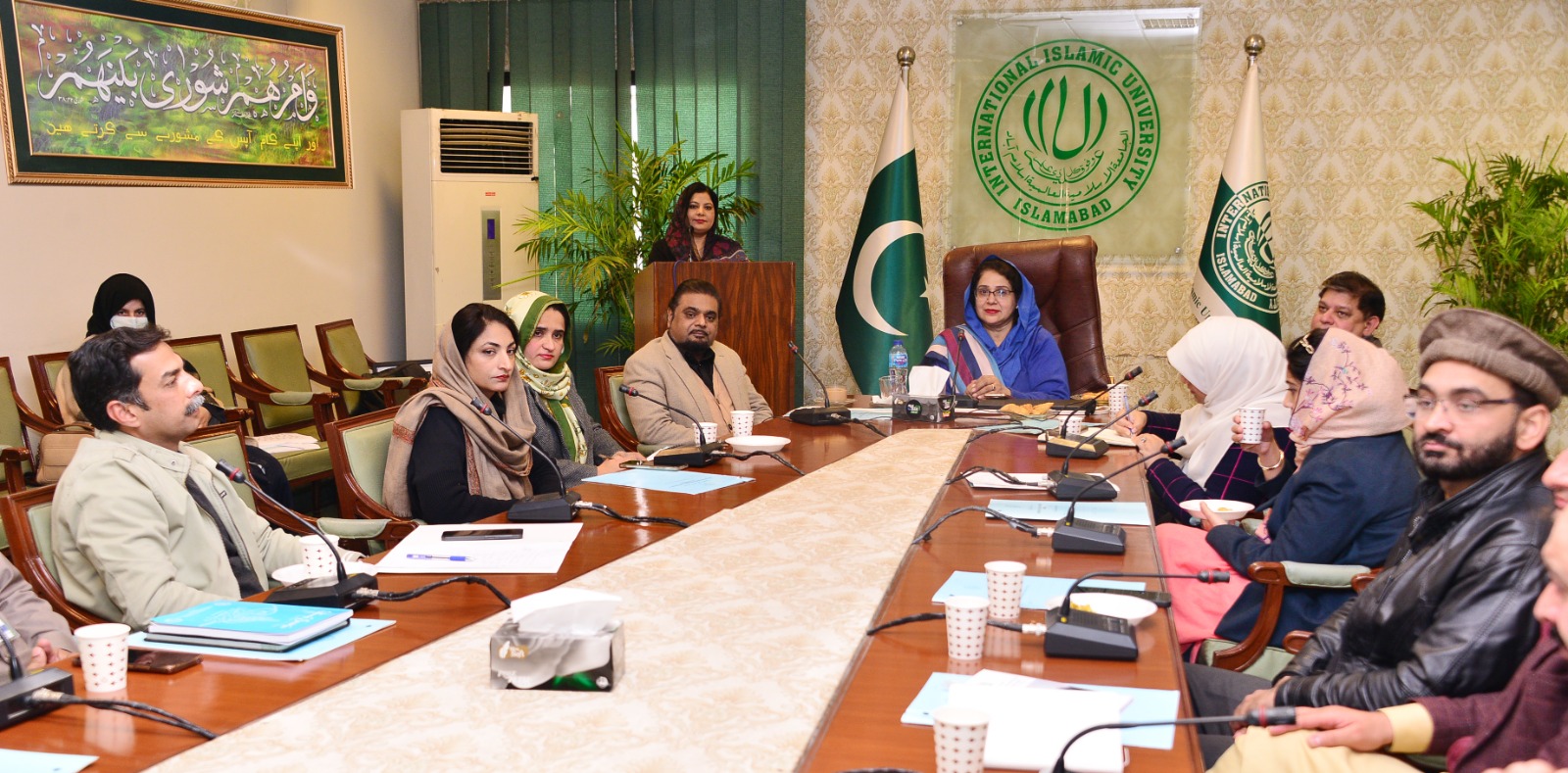
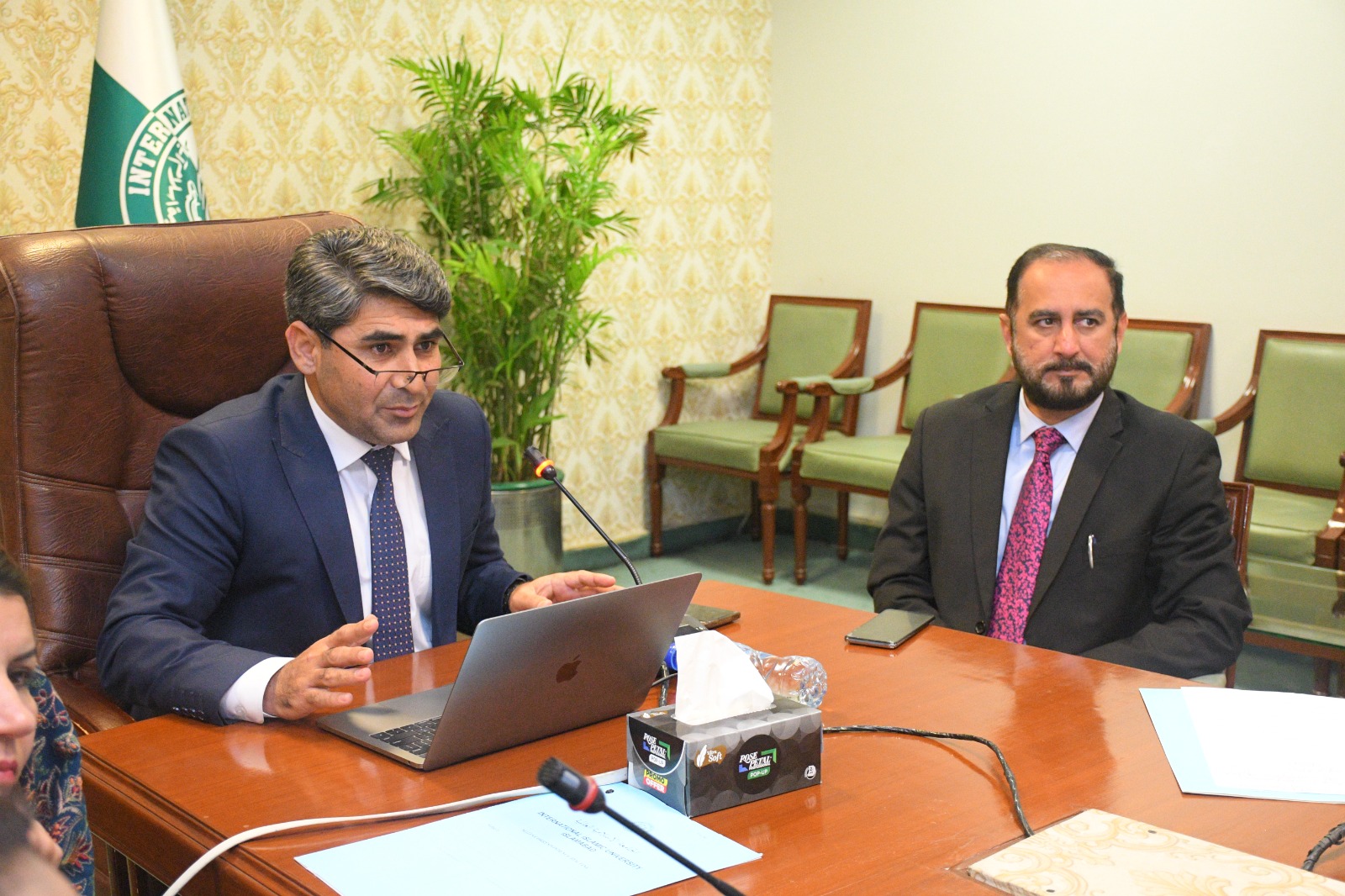
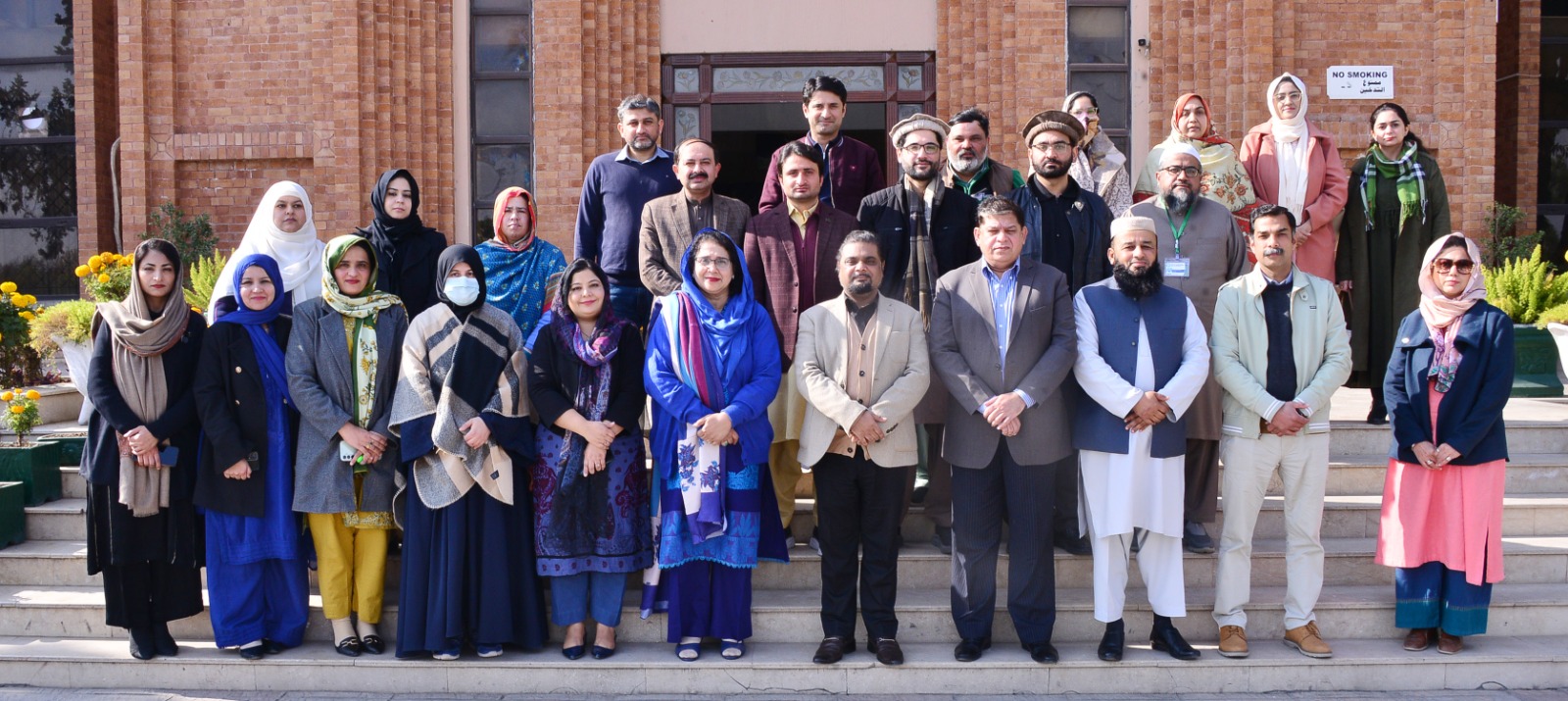
The Phase I of the IIUI Future Leaders Training Program for Lecturers and Teaching Research Associates concluded successfully after a series of focused and structured sessions aimed at strengthening academic quality, leadership capacity, and professional competence among faculty members. The program was designed to develop future-ready leadership within the university by enhancing both academic and personal development skills of participants.
A key session on Quality Assurance and Academic Excellence was conducted by Prof. Dr. Saeed Badshah, Vice Chancellor, University of Technology, Nowshera. He highlighted national and institutional quality assurance frameworks, accreditation standards, and internal mechanisms required to sustain academic quality. The session covered curriculum design and review processes and emphasized the faculty’s role in continuous academic improvement, describing quality assurance as an ongoing institutional responsibility.
Another session on academic standards was led by Dr. Khushbakht Hina, Associate Professor and Head of the Department of Education, NUML. She provided a detailed overview of outcome-based education, curriculum review processes, and assessment and feedback mechanisms. The session focused on aligning learning outcomes with teaching strategies, ensuring transparency in assessment practices, and strengthening institutional effectiveness through faculty and academic leadership.
While concluding the second day of the training, Vice President Academics, Prof. Dr. Abdul Raheman, underscored the importance of quality assurance and academic excellence in higher education. He addressed faculty concerns related to career progression and reaffirmed the university’s commitment to facilitating professional growth. He also emphasized coordinated faculty participation in future training programs through Deans and Chairpersons and advised departments to route training proposals through the Office of Professional Training.
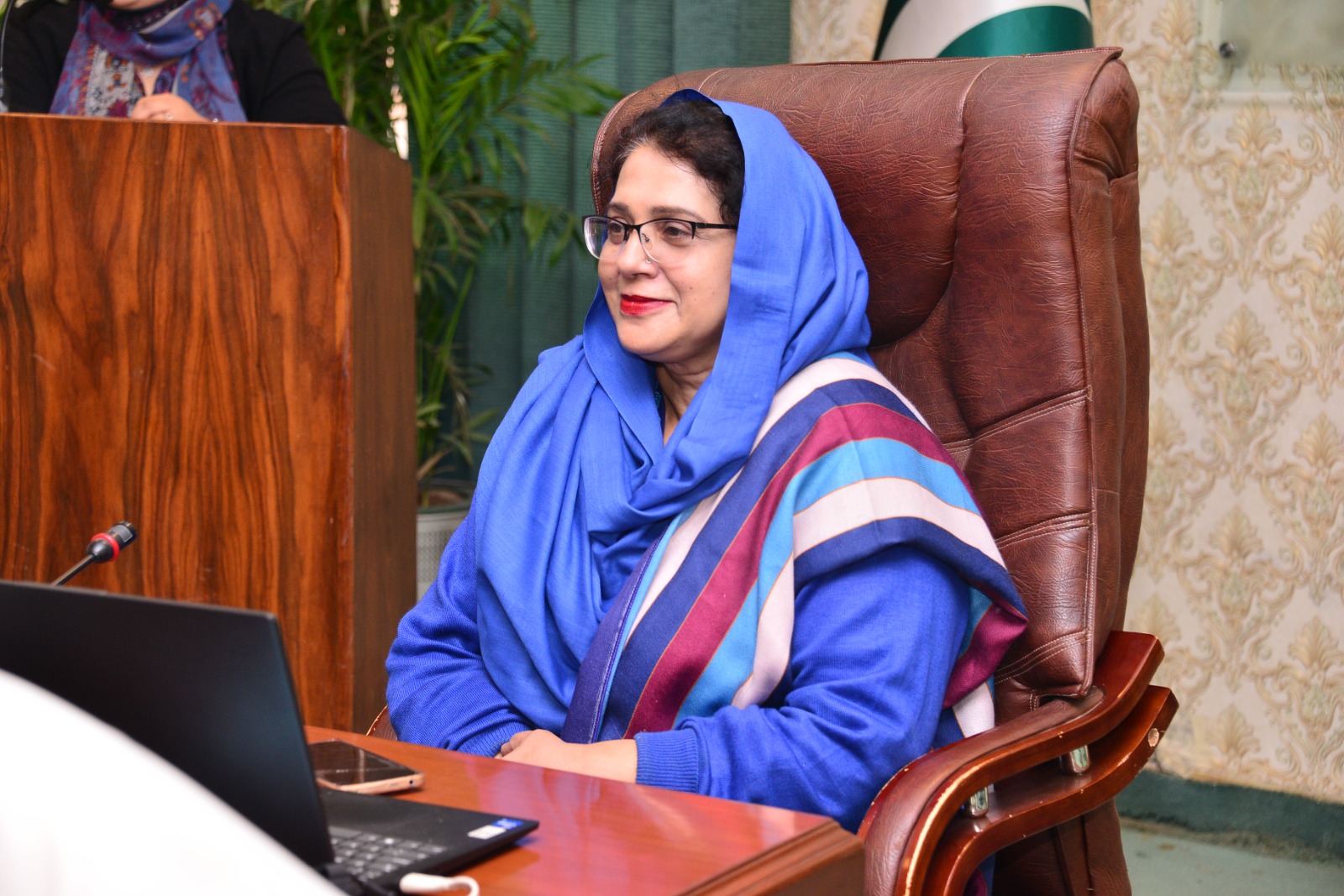
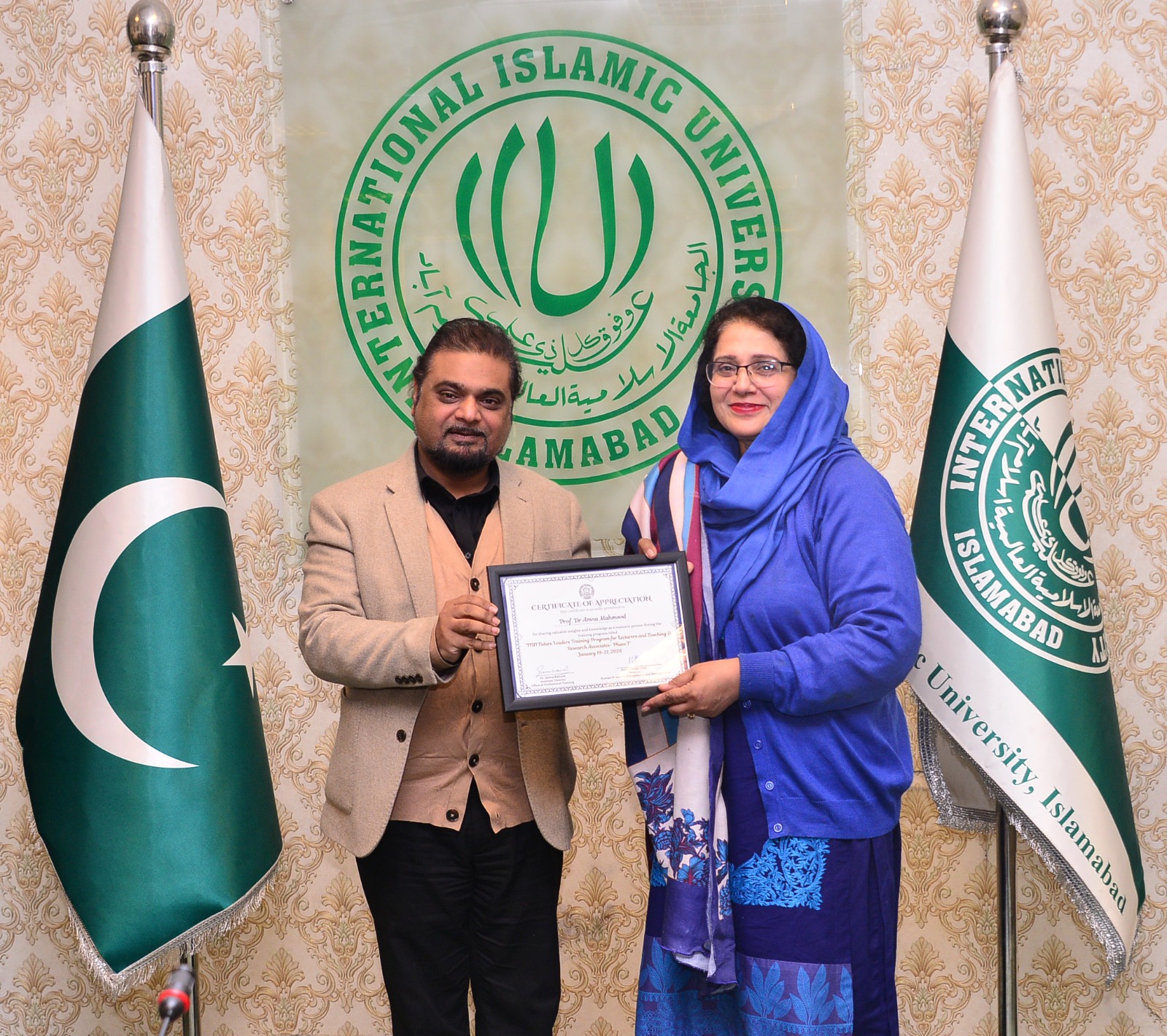
The final day featured a session on Effective Communication Skills, Emotional Intelligence, and Conflict Resolution in Academia conducted by Prof. Dr. Amna Mahmood, Dean, Faculty of Social Sciences and Humanities, Shifa Tameer-e-Millat University, Islamabad. She highlighted the importance of emotional intelligence and effective communication in promoting a constructive institutional environment.
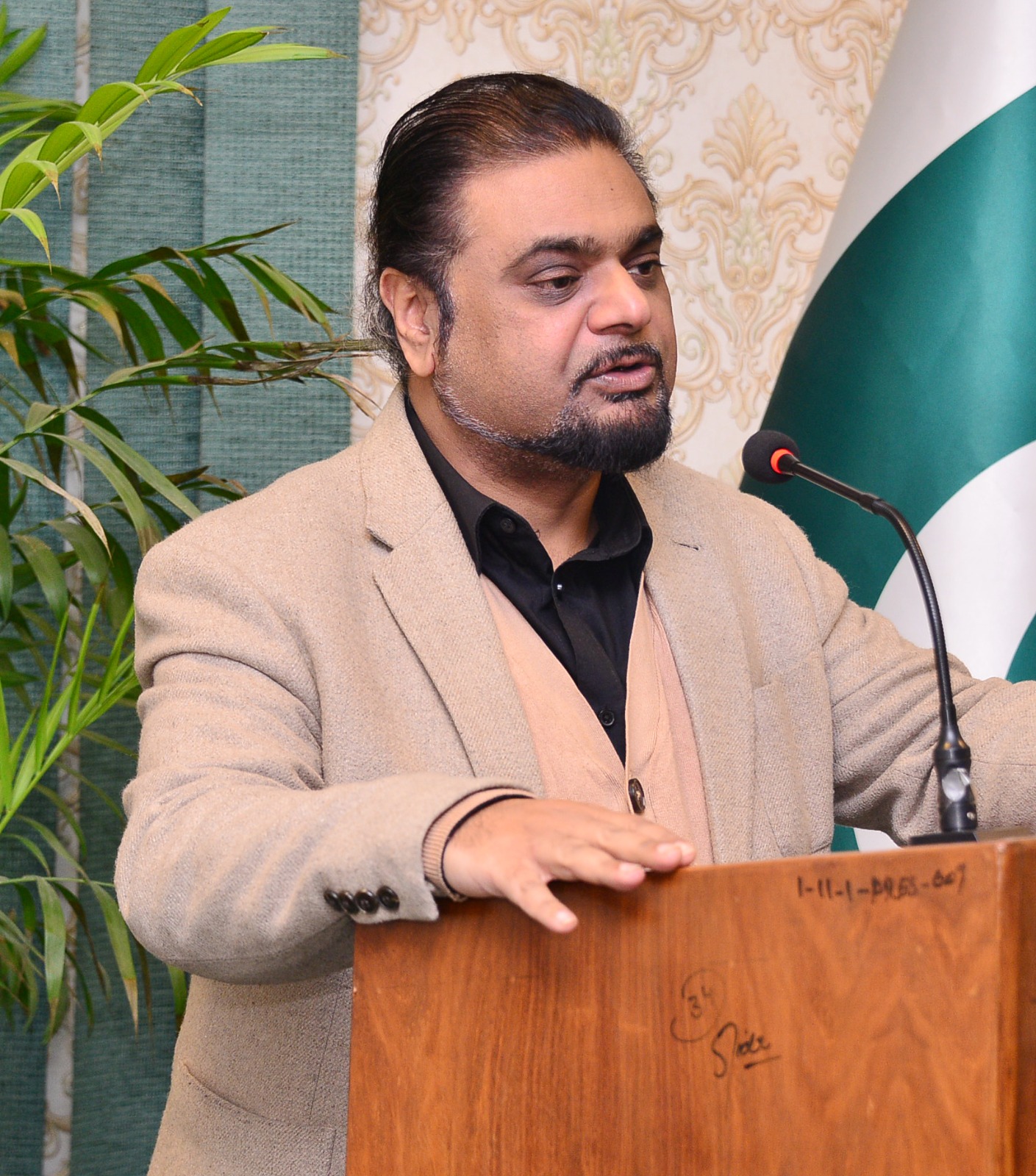
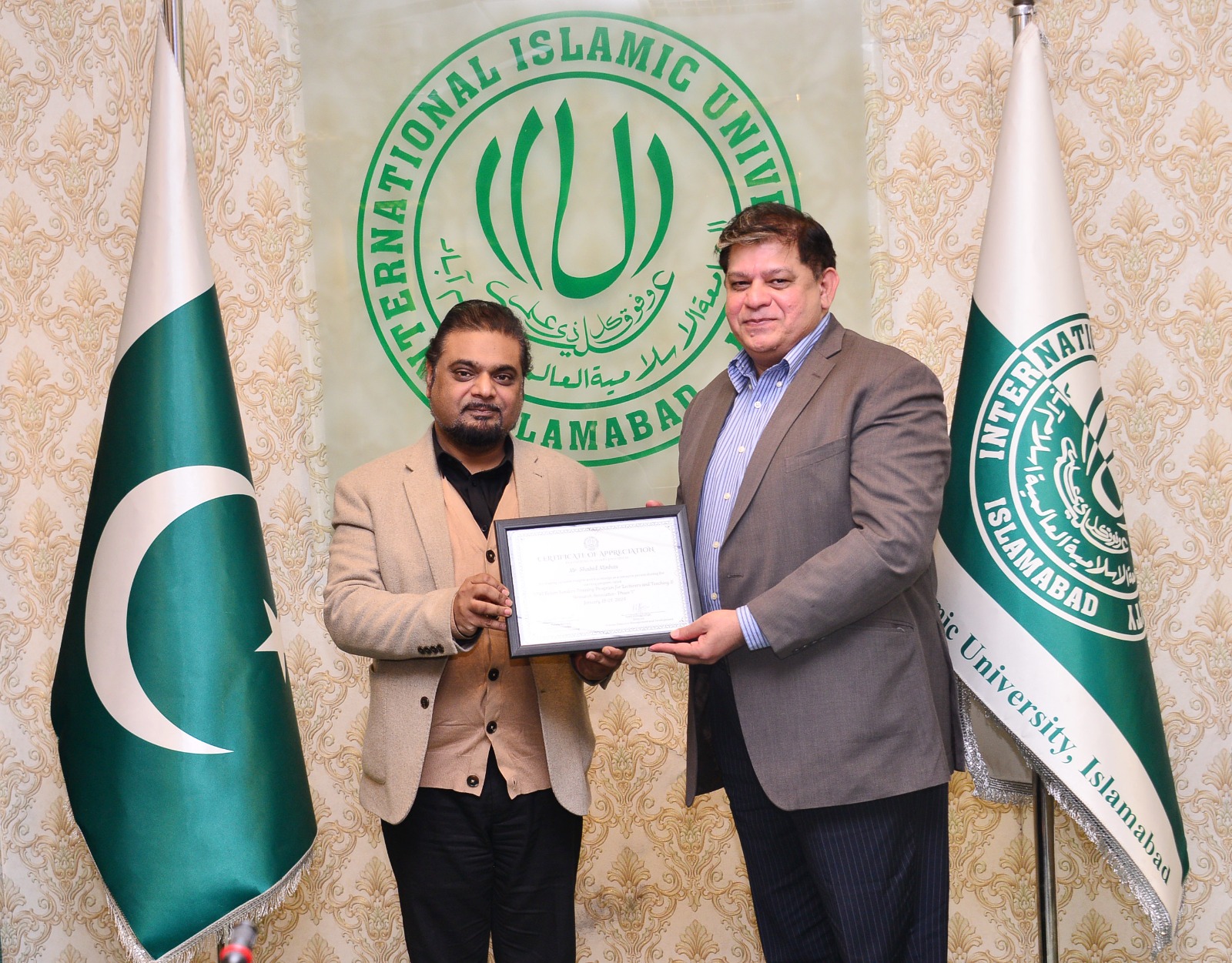
The concluding session on Decision Making, Problem Solving, and Handling Difficult Situations in University Settings was led by Mr. Shahid Minhas, Director Administration, University of Bolton UK Pakistan Campus. He shared practical insights and real-world experiences related to leadership decision-making and managing academic and administrative challenges.